
Designing the Future Through the Past: Why Retro-Futurism Continues to Inspire Artists, Innovators, and Brands
1. Understanding the Core of Retro-Futurism
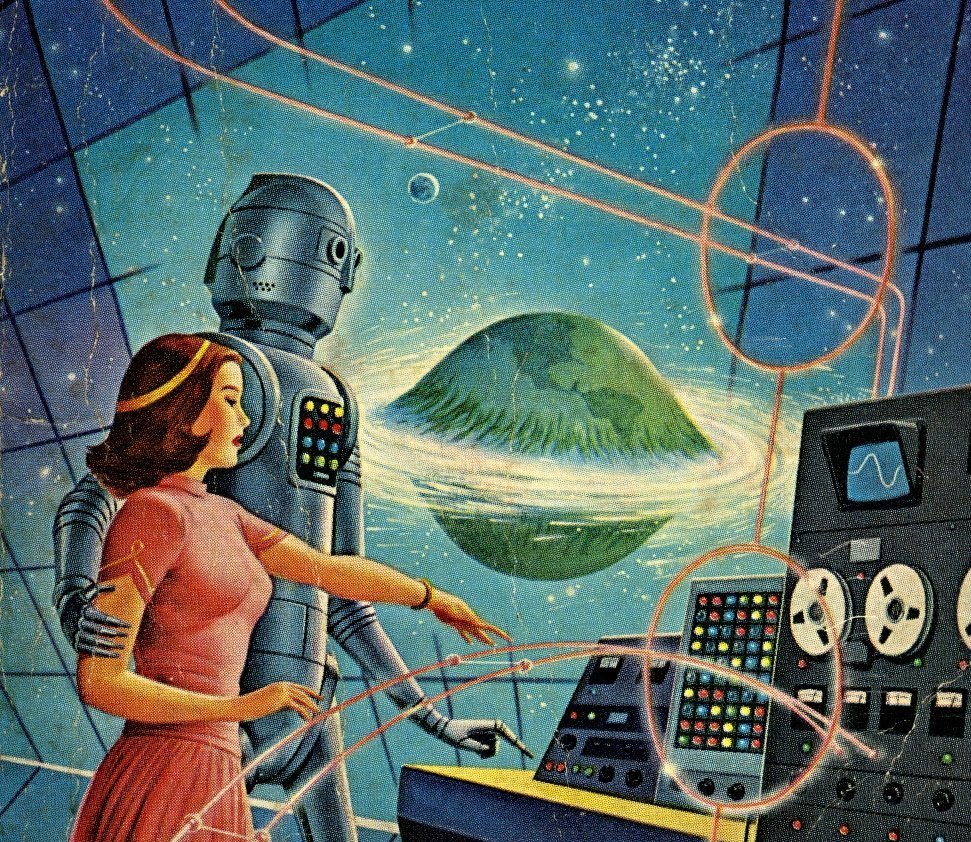


Retro-futurism combines historical aesthetics with imagined futures.
It reflects how previous generations envisioned technological progress.
It merges nostalgia, science fiction, optimism, and speculative design.
It appears across art, architecture, fashion, film, gaming, and branding.
It contrasts utopian dreams with dystopian realities.
2. Emotional and Psychological Appeal
Nostalgia Creates Comfort and Familiarity
Vintage visuals reconnect audiences with cultural memory.
Retro palettes and textures trigger emotional warmth.
Optimism of the Past Inspires Hope
Space-age rockets symbolized limitless potential.
Atomic-era designs reflected confidence in innovation.
Escapism from Modern Complexity
Retro-futuristic worlds feel imaginative and playful.
They simplify advanced technology into artistic fantasy.
Fusion of Memory and Imagination Sparks Creativity
Combines “what was” with “what could have been.”
Encourages bold conceptual thinking.
3. Influence on Artists and Designers
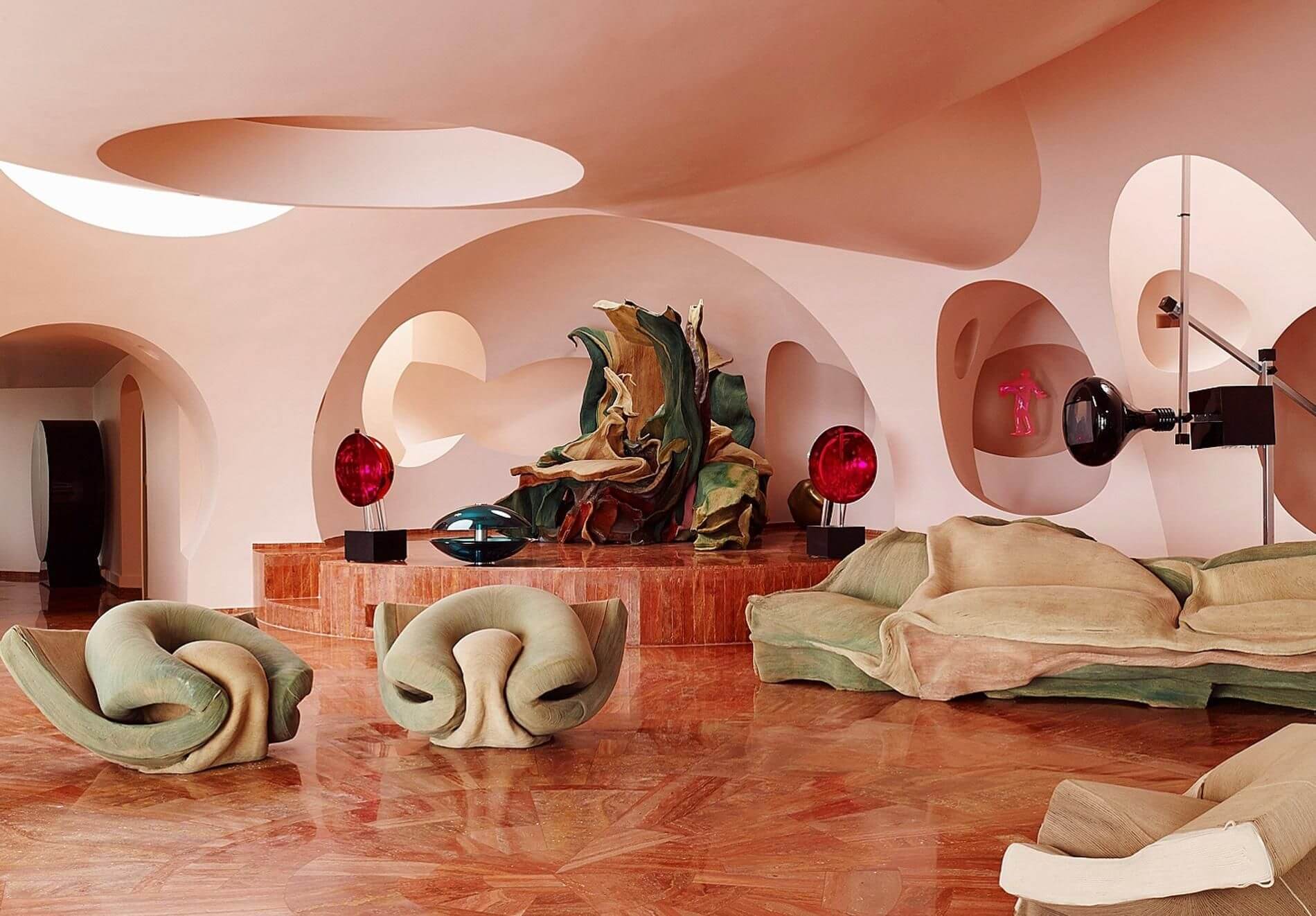

Distinctive Visual Identity
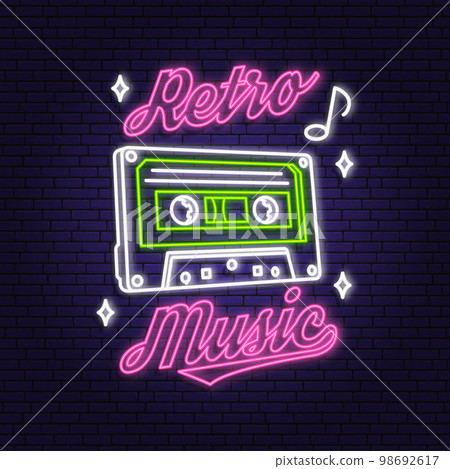
Chrome finishes, neon glows, metallic textures.
Geometric patterns and streamlined silhouettes.
Creative Freedom Through Alternate Timelines
Artists reimagine history differently.
Designers experiment with speculative scenarios.
Blending Analog Craft with Digital Tools
Mechanical aesthetics meet modern software.
Vintage inspiration enhanced by contemporary techniques.
High Memorability and Impact
Bold visuals stand out in crowded creative spaces.
Unique aesthetics strengthen artistic recognition.
4. Driving Innovation and Product Development
Inspiration for Industrial and Tech Design
Curved forms influence modern gadgets.
Retro UI elements inspire digital interfaces.
Encourages Visionary Thinking
Revisiting past predictions stimulates fresh ideas.
Promotes long-term creative forecasting.
Humanizes Advanced Technology
Nostalgic styling softens high-tech complexity.
Makes innovation approachable and relatable.
Supports Experimental Prototyping
Helps visualize alternative futures.
Encourages risk-taking in design strategy.
5. Strategic Value for Brands

Market Differentiation
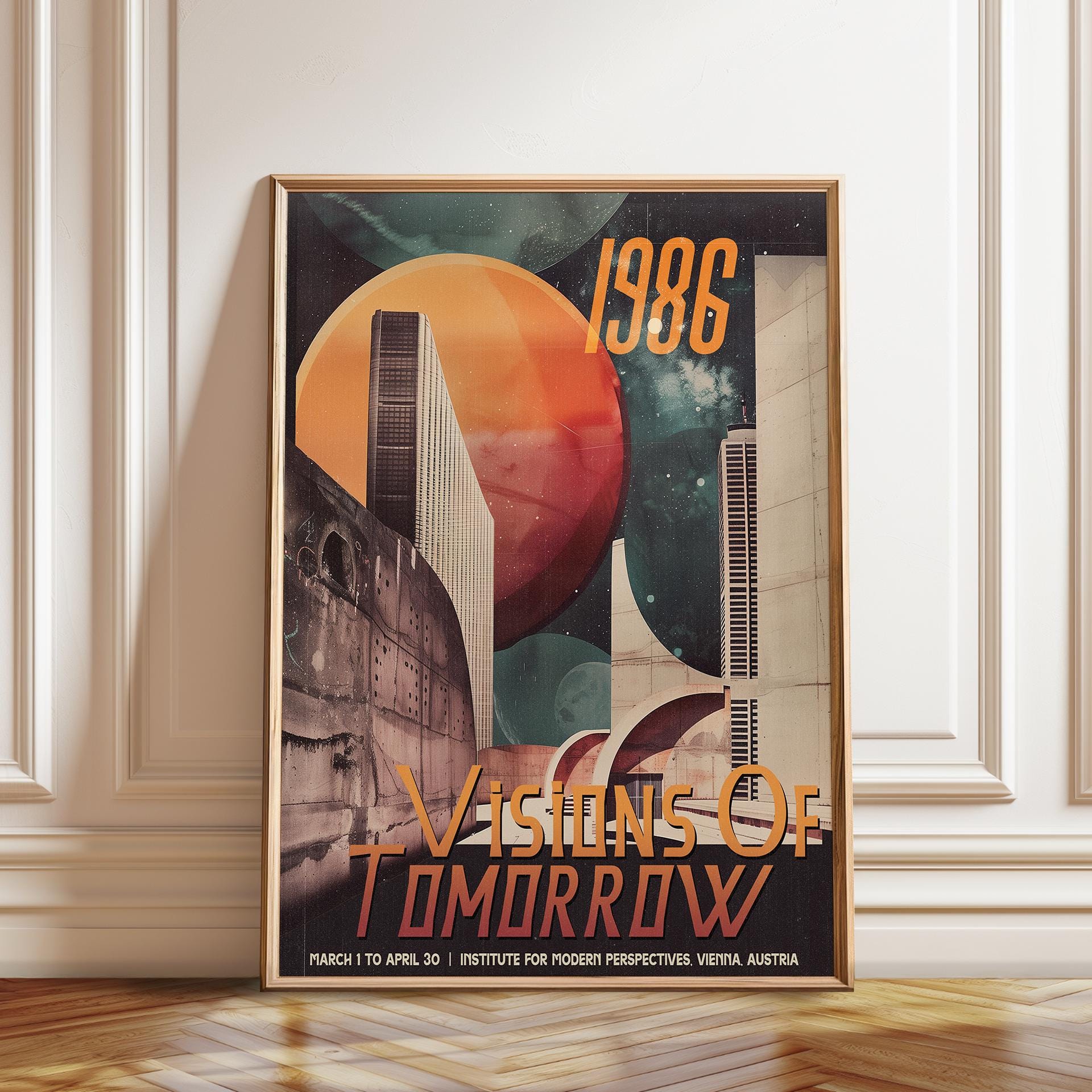
Combines heritage style with futuristic messaging.
Cuts through digital noise with striking visuals.
Emotional Brand Storytelling
Nostalgia builds trust and authenticity.
Futuristic elements signal innovation and ambition.
Cross-Generational Appeal
Older audiences connect with vintage aesthetics.
Younger audiences embrace stylized cyber visuals.
Strong Digital and Social Engagement
Eye-catching aesthetics boost shareability.
Retro visuals align with trending online culture.
6. Major Retro-Futuristic Subgenres
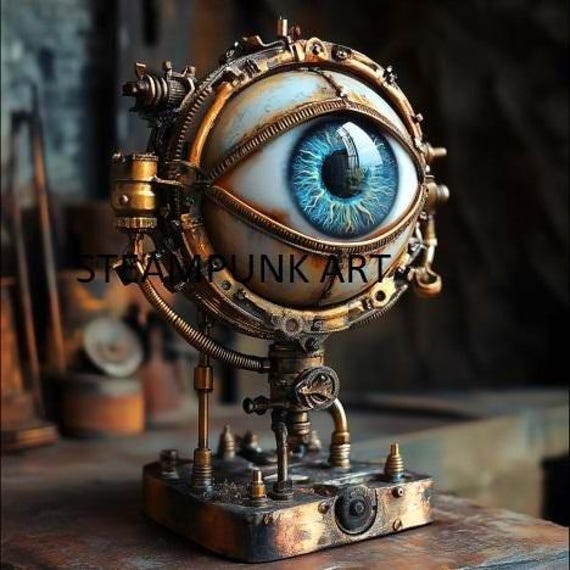
Steampunk – Victorian Elegance Meets Steam Technology
Brass gears, corsets, and mechanical fantasy.
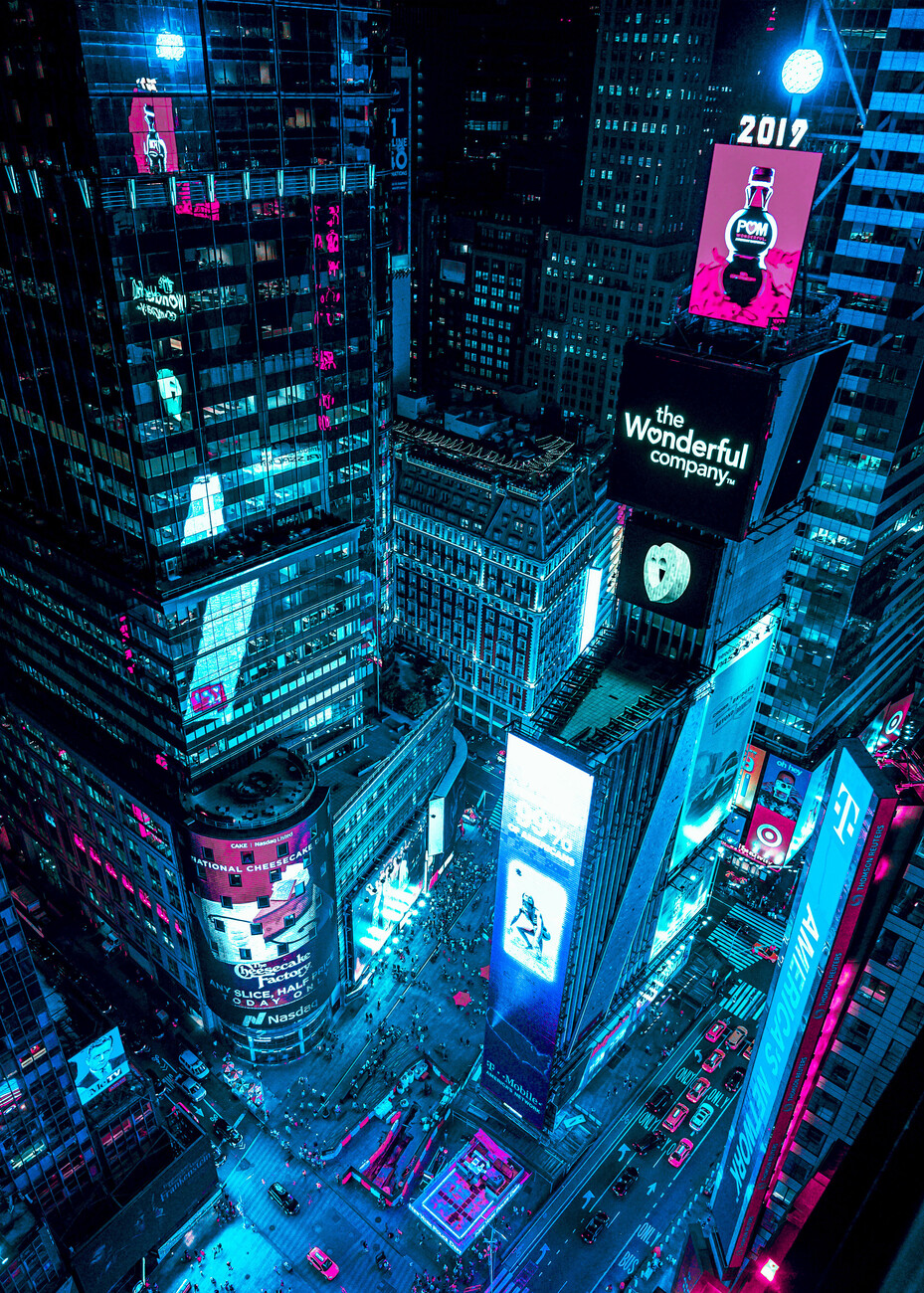
Cyberpunk – Neon Dystopian High-Tech Futures
Artificial intelligence, digital identity, urban density.
Atomic Age Modernism – 1950s–60s Space Optimism
Rockets, starbursts, curved architecture.
Dieselpunk – Industrial Power and Art Deco Fusion
1920s–40s machinery-inspired futurism.
7. Cultural and Social Significance
Preserves Historical Imagination
Documents past expectations of progress.
Acts as a visual time capsule.
Reflects Hopes and Fears About Technology
Utopian dreams vs. dystopian anxieties.
Innovation as opportunity and risk.
Encourages Reflection on the Present
Questions missed predictions.
Inspires discussion about future direction.
8. The Future of Retro-Futurism
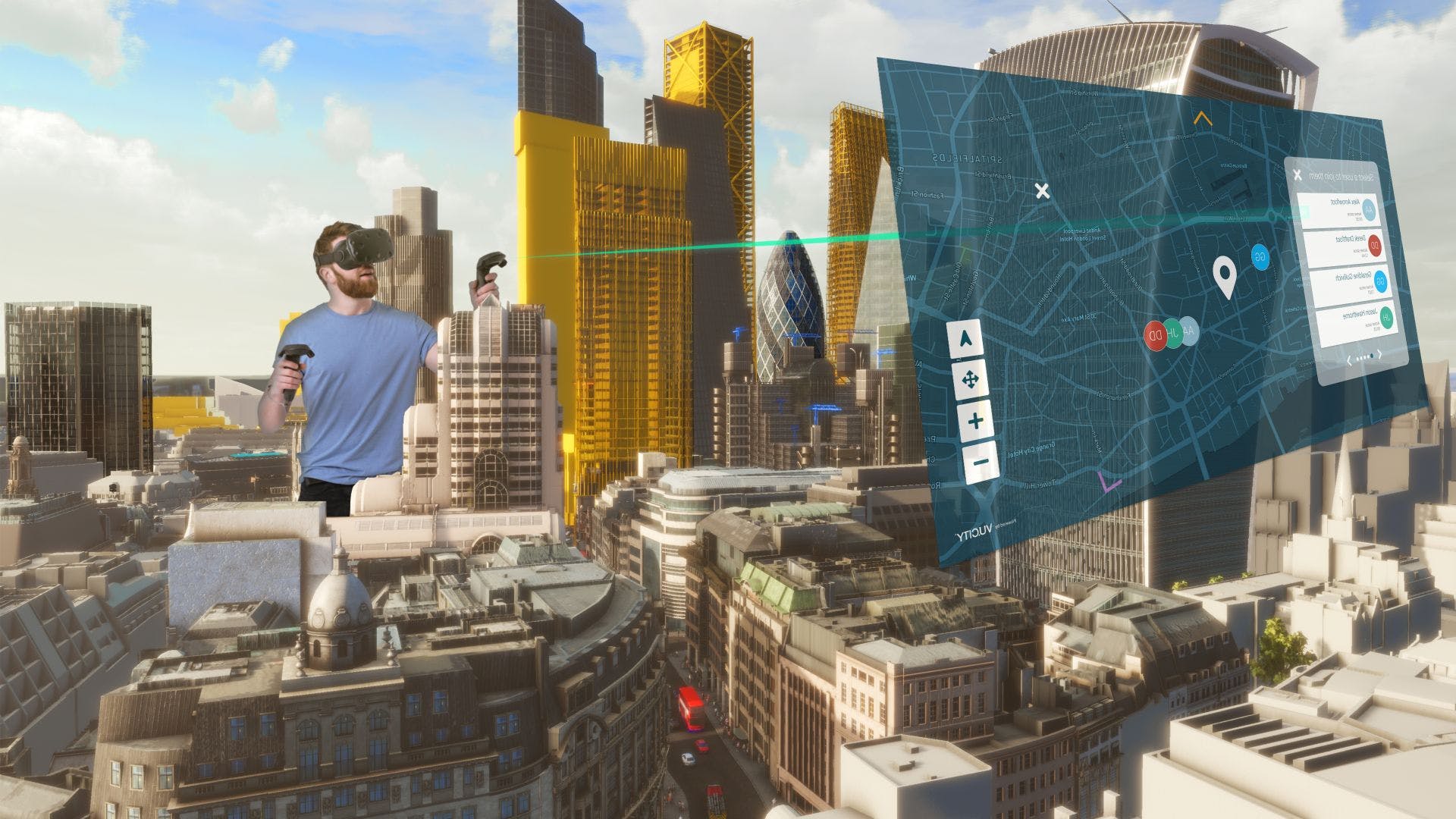

Integration with AI and Digital Creativity
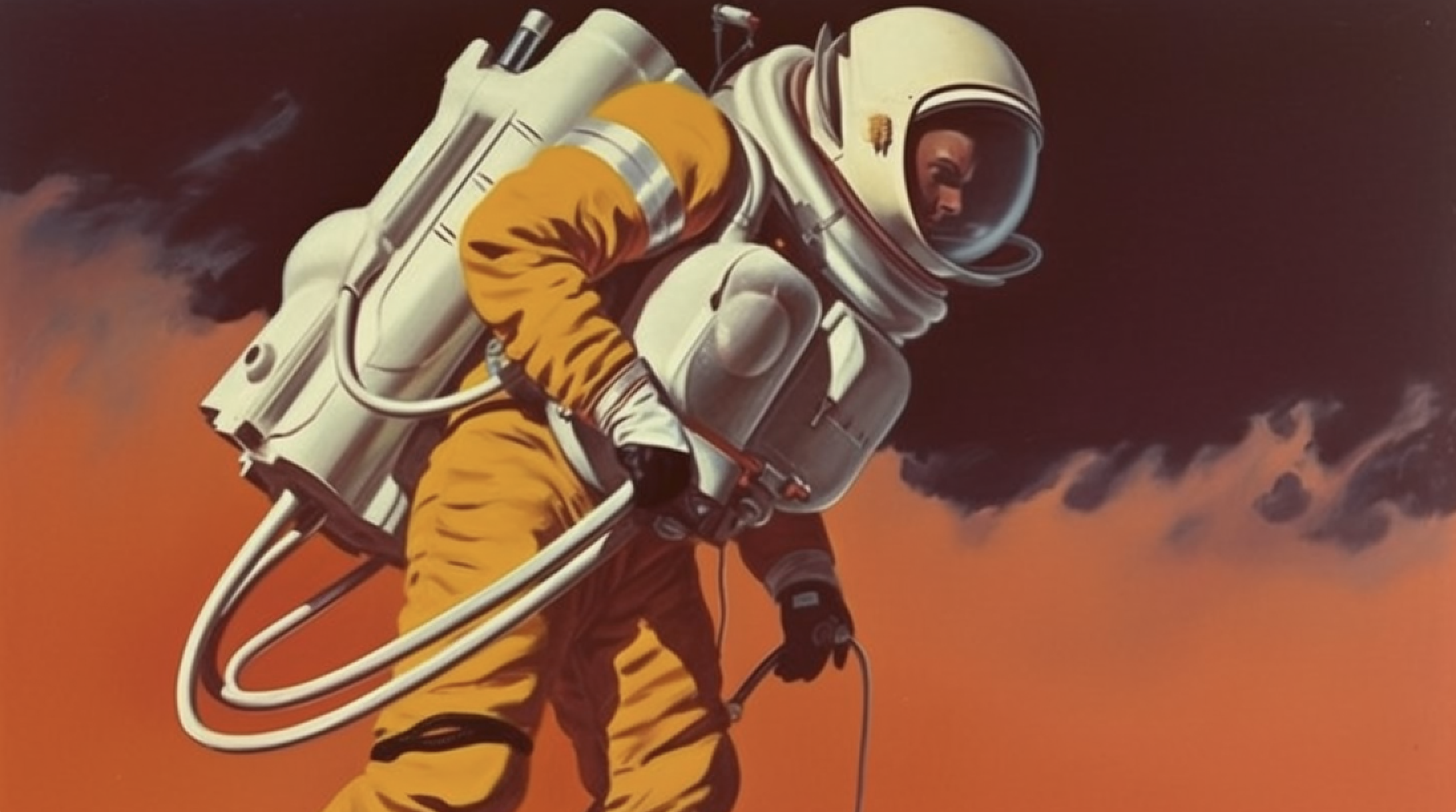
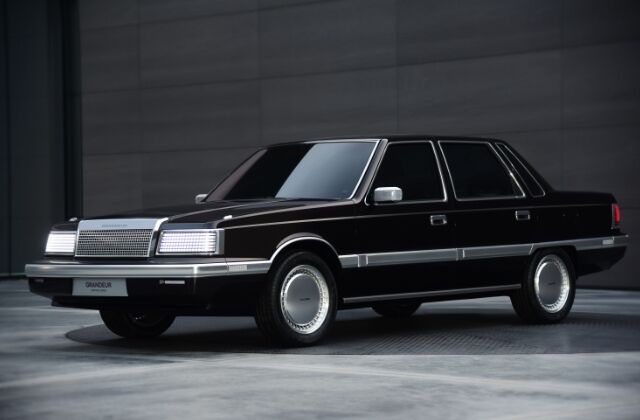
AI recreates vintage visions with modern realism.
Sustainable Retro-Future Concepts
Eco-friendly materials meet nostalgic forms.
Expansion into Virtual and Immersive Worlds
Gaming and VR revive stylized future cities.
Continuous Reinvention Across Generations
Each era reinterprets the “future” uniquely.
Retro-futurism remains adaptable and timeless.
Key Takeaways
Retro-futurism bridges past imagination with future innovation.
It transforms nostalgia into a powerful creative strategy.
It empowers artists to design boldly.
It enables brands to communicate vision with emotional depth.
Designing the future through the past ensures creativity remains both timeless and forward-looking.
No comments:
Post a Comment