Saturday, February 28, 2026

The Retro-Futuristic Revival: How Nostalgic Futures Are Shaping Modern Creative Industries


The Retro-Futuristic Revival: How Nostalgic Futures Are Shaping Modern Creative Industries


Introduction: Understanding the Retro-Futuristic Revival

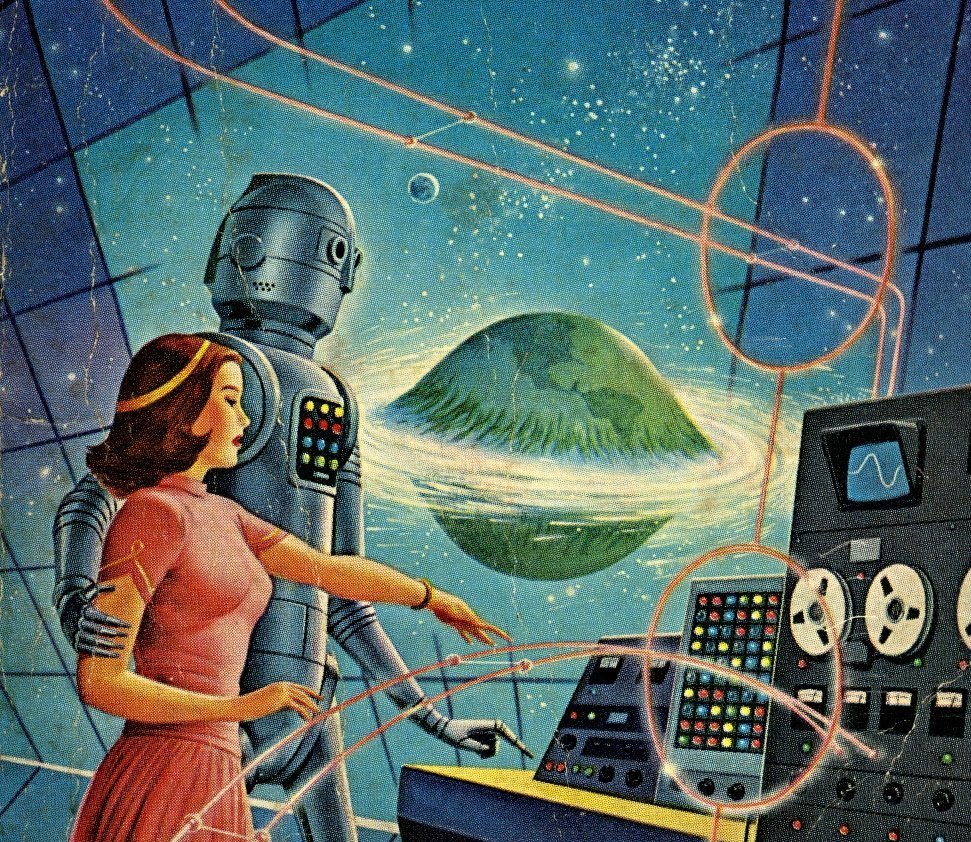
  • Retro-futurism merges historical visions of tomorrow with modern creative expression.

  • It reflects how earlier generations imagined advanced technology, cosmic travel, and utopian societies.

  • This revival breathes new life into vintage futuristic aesthetics using contemporary tools.

  • Creative industries embrace this style to evoke emotion, wonder, and cultural memory.

  • Retro-futurism bridges nostalgia and innovation into a single visionary narrative.


Historical and Cultural Foundations

  • Inspired by early science fiction literature, pulp magazines, and golden-age comics.

  • Driven by atomic-age optimism and space-race ambition.

  • Influenced by industrial design movements promoting progress and efficiency.

  • Popularized through mid-century films, advertisements, and product innovation.

  • Preserved through iconic architecture, typography, and visual storytelling traditions.


Key Visual and Conceptual Elements

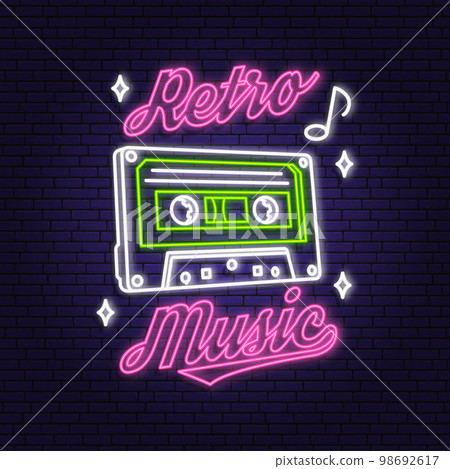
  • Neon illumination, chrome finishes, and cosmic color palettes.

  • Aerodynamic curves symbolizing speed, progress, and motion.

  • Geometric symmetry reflecting technological harmony and balance.

  • Robotic imagery and cybernetic symbolism.

  • Themes of hope, exploration, and boundless possibility.


Influence on Graphic Design and Visual Communication

  • Futuristic typography combined with nostalgic layouts.

  • Glowing gradients and digital textures enhancing visual impact.

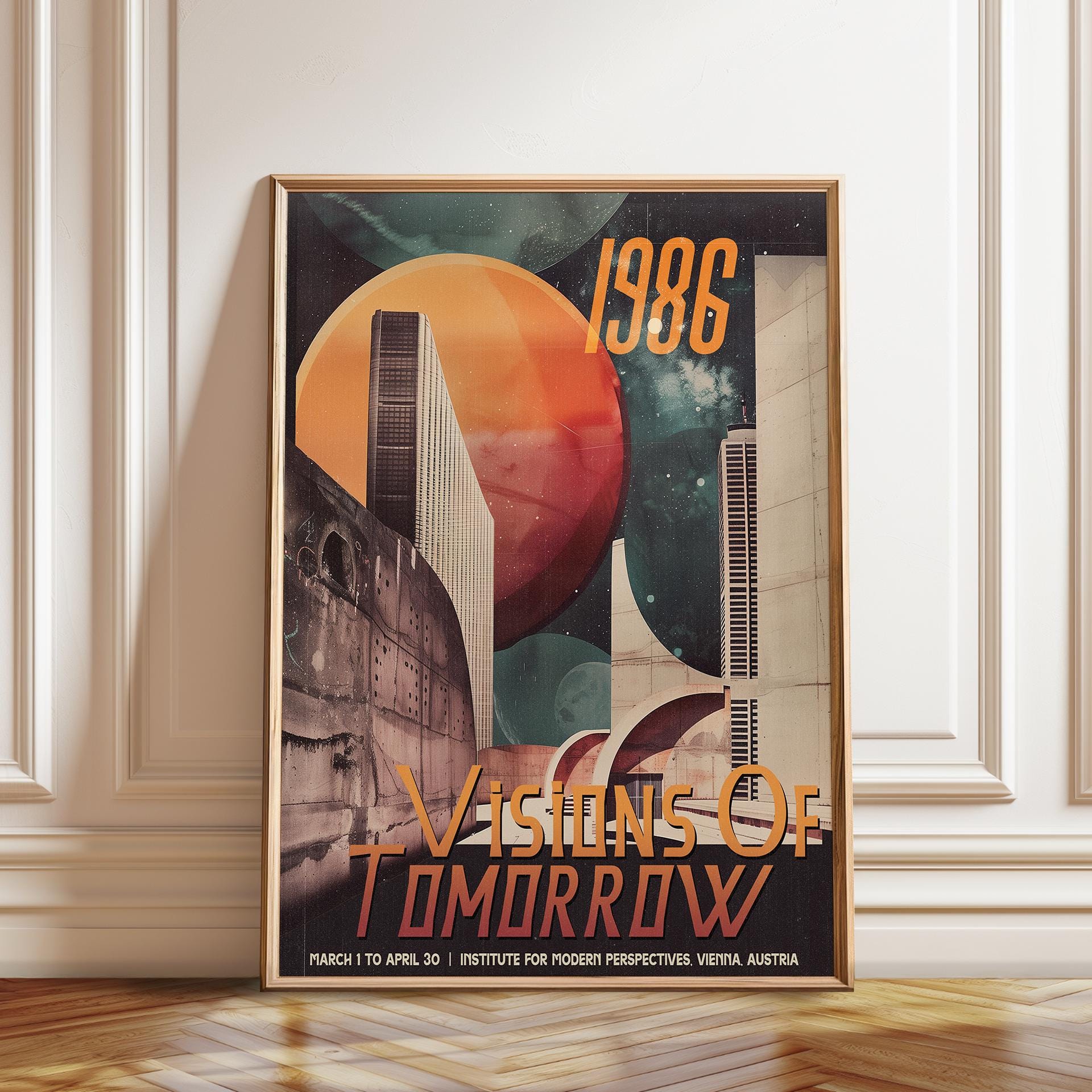
  • Poster designs inspired by vintage sci-fi illustration styles.

  • Motion graphics utilizing synthwave aesthetics.

  • Brand visuals crafted around futuristic nostalgia.


Transformation of Digital Art and Creative Technology

  • AI-generated visuals reinterpreting classic sci-fi motifs.

  • 3D modeling creating immersive futuristic dreamscapes.

  • Virtual worlds inspired by imagined cosmic civilizations.

  • NFT art driven by neon cyber aesthetics.

  • Interactive installations blending art, technology, and memory.


Impact on Film, Television, and Narrative Media

  • Cinematic worlds shaped by space-age design philosophy.

  • Retro-inspired costume design blending old silhouettes with advanced materials.

  • Set architecture reflecting utopian city concepts.

  • Narrative storytelling focused on hope, dystopia, and technological evolution.

  • Electronic and orchestral fusion soundtracks enhancing emotional depth.


Role in Gaming and Immersive Experiences

  • Futuristic game environments inspired by vintage sci-fi landscapes.

  • Interactive storytelling using glowing urban skylines and cosmic backdrops.

  • Synth-based audio design intensifying player immersion.

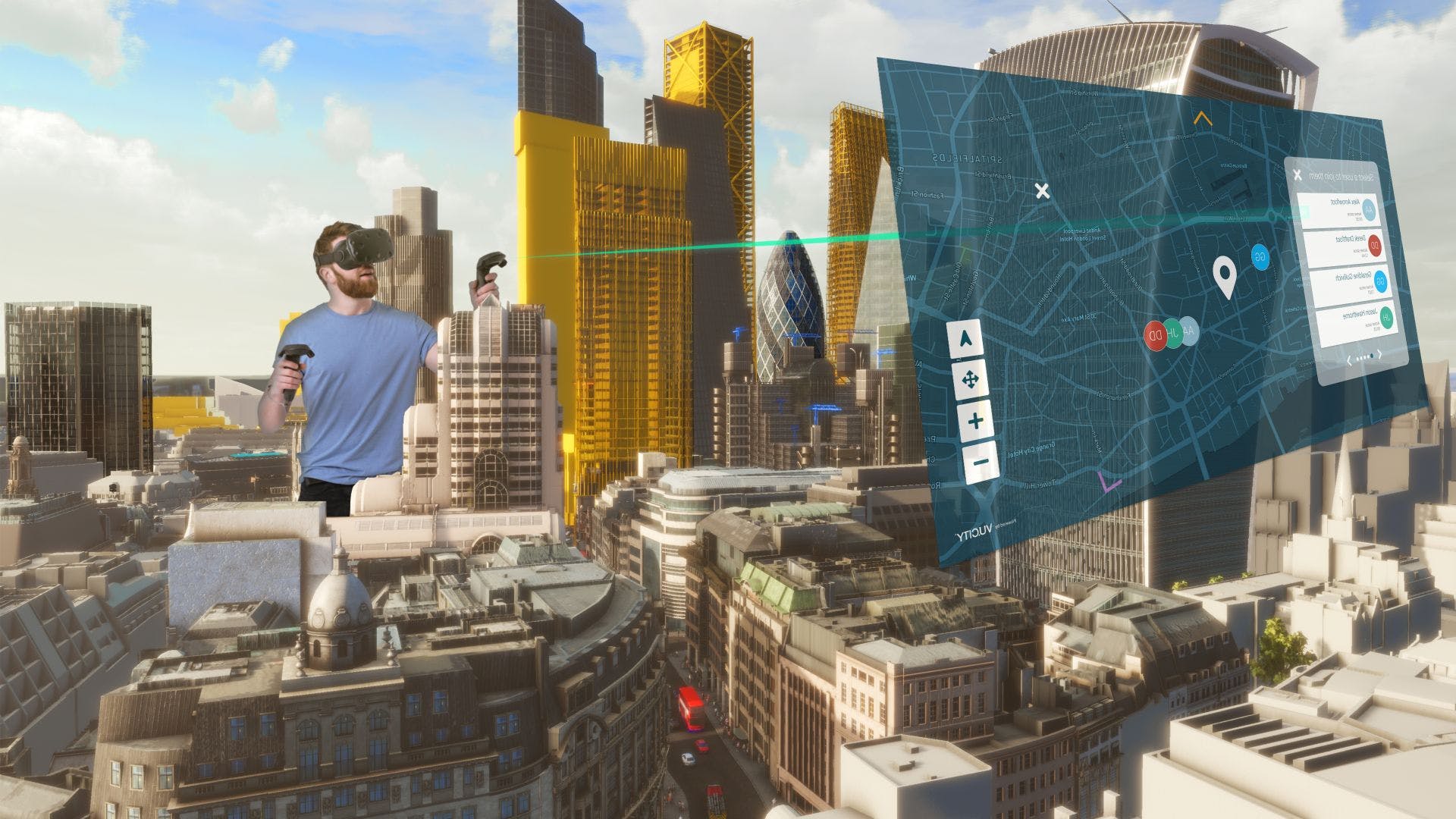
  • Virtual reality simulations exploring nostalgic future societies.

  • Augmented reality experiences transforming real-world spaces into cosmic playgrounds.


Influence on Fashion and Wearable Innovation

  • Metallic fabrics, holographic textiles, and iridescent finishes.

  • Geometric tailoring inspired by space-age uniforms.

  • Cyberpunk and synthwave streetwear aesthetics.

  • Smart textiles integrating light, motion, and technology.

  • Sustainable fashion inspired by futuristic material science.


Architectural and Urban Design Evolution

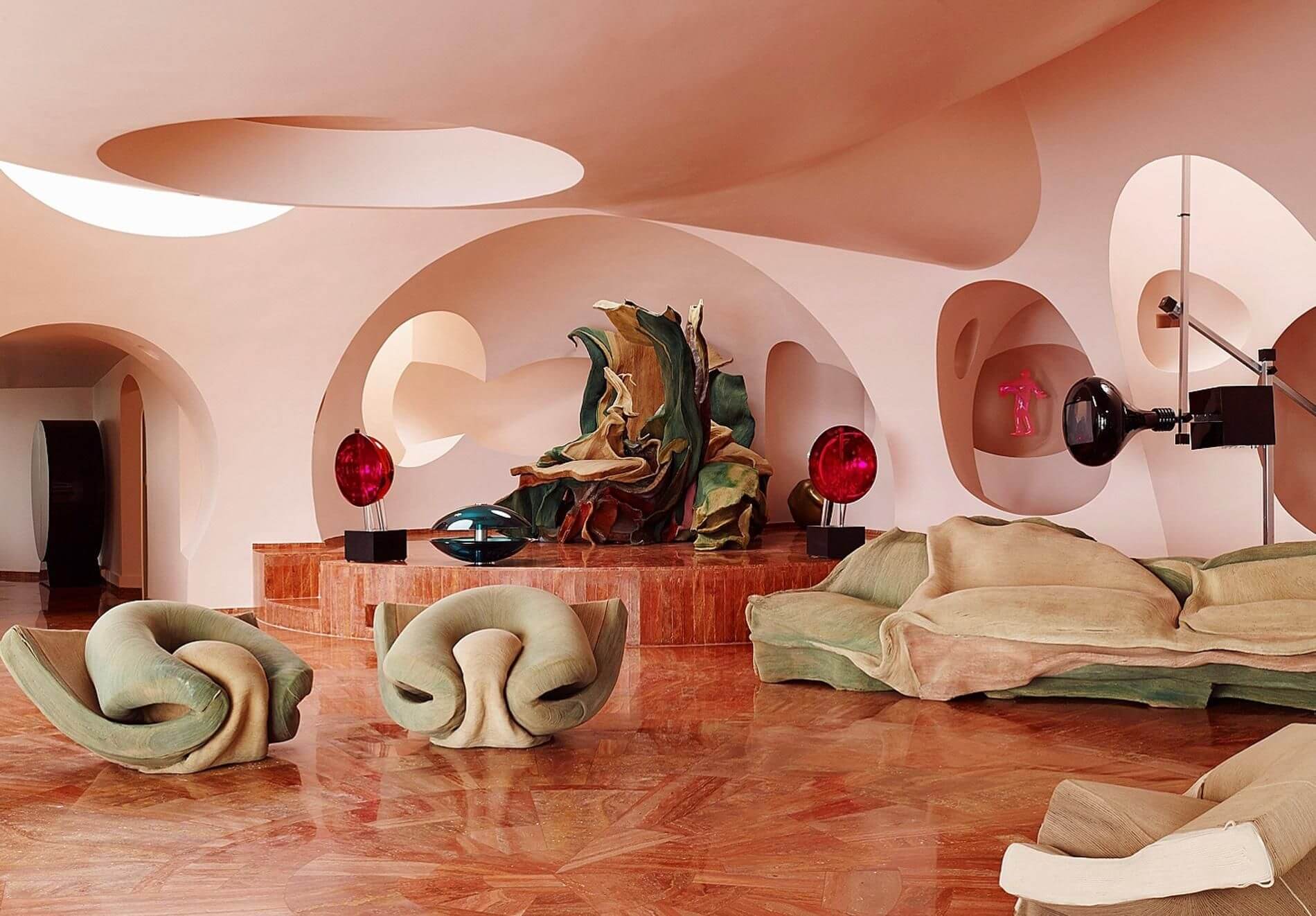
  • Curved structures reflecting futuristic transportation aesthetics.

  • Smart interiors infused with ambient lighting and digital integration.

  • Eco-conscious architecture inspired by utopian city models.

  • Public spaces enhanced through glowing artistic installations.

  • Urban environments designed around futuristic sustainability concepts.


Branding, Advertising, and Commercial Design

  • Retro-futuristic branding creating emotional resonance and innovation perception.

  • Packaging featuring metallic surfaces and vibrant contrasts.

  • Digital marketing storytelling inspired by cosmic narratives.

  • Technology branding reflecting visionary ambition.

  • Luxury branding blending vintage glamour with futuristic boldness.


Psychological and Cultural Significance

  • Nostalgic comfort combined with futuristic excitement.

  • Emotional escape into hopeful imagined worlds.

  • Reconnection with childhood wonder and curiosity.

  • Collective fascination with space exploration and discovery.

  • Creative empowerment through visionary storytelling.


Future Trends and Industry Outlook

  • Expansion of AI-driven retro-futuristic creativity.

  • Growth of immersive metaverse environments.

  • Advanced holographic storytelling experiences.

  • Fusion of sustainability and futuristic design.

  • Emergence of global digital creative communities.


Conclusion

  • The retro-futuristic revival unites imagination, memory, and innovation.

  • It continues to influence art, design, fashion, architecture, and media industries.

  • By blending past dreams with future technology, creators build timeless narratives.

  • Retro-futurism ensures that yesterday’s visions of tomorrow remain powerful forces shaping modern creativity.

Thursday, February 26, 2026

Designing the Future Through the Past: Why Retro-Futurism Continues to Inspire Artists, Innovators, and Brands


Designing the Future Through the Past: Why Retro-Futurism Continues to Inspire Artists, Innovators, and Brands


1. Understanding the Core of Retro-Futurism

Image

Image

Image

Image

  • Retro-futurism combines historical aesthetics with imagined futures.

  • It reflects how previous generations envisioned technological progress.

  • It merges nostalgia, science fiction, optimism, and speculative design.

  • It appears across art, architecture, fashion, film, gaming, and branding.

  • It contrasts utopian dreams with dystopian realities.


2. Emotional and Psychological Appeal

  • Nostalgia Creates Comfort and Familiarity

    • Vintage visuals reconnect audiences with cultural memory.

    • Retro palettes and textures trigger emotional warmth.

  • Optimism of the Past Inspires Hope

    • Space-age rockets symbolized limitless potential.

    • Atomic-era designs reflected confidence in innovation.

  • Escapism from Modern Complexity

    • Retro-futuristic worlds feel imaginative and playful.

    • They simplify advanced technology into artistic fantasy.

  • Fusion of Memory and Imagination Sparks Creativity

    • Combines “what was” with “what could have been.”

    • Encourages bold conceptual thinking.


3. Influence on Artists and Designers

Image

Image

Image

Image

  • Distinctive Visual Identity

    • Chrome finishes, neon glows, metallic textures.

    • Geometric patterns and streamlined silhouettes.

  • Creative Freedom Through Alternate Timelines

    • Artists reimagine history differently.

    • Designers experiment with speculative scenarios.

  • Blending Analog Craft with Digital Tools

    • Mechanical aesthetics meet modern software.

    • Vintage inspiration enhanced by contemporary techniques.

  • High Memorability and Impact

    • Bold visuals stand out in crowded creative spaces.

    • Unique aesthetics strengthen artistic recognition.


4. Driving Innovation and Product Development

  • Inspiration for Industrial and Tech Design

    • Curved forms influence modern gadgets.

    • Retro UI elements inspire digital interfaces.

  • Encourages Visionary Thinking

    • Revisiting past predictions stimulates fresh ideas.

    • Promotes long-term creative forecasting.

  • Humanizes Advanced Technology

    • Nostalgic styling softens high-tech complexity.

    • Makes innovation approachable and relatable.

  • Supports Experimental Prototyping

    • Helps visualize alternative futures.

    • Encourages risk-taking in design strategy.


5. Strategic Value for Brands

Image

Image

Image

Image

  • Market Differentiation

    • Combines heritage style with futuristic messaging.

    • Cuts through digital noise with striking visuals.

  • Emotional Brand Storytelling

    • Nostalgia builds trust and authenticity.

    • Futuristic elements signal innovation and ambition.

  • Cross-Generational Appeal

    • Older audiences connect with vintage aesthetics.

    • Younger audiences embrace stylized cyber visuals.

  • Strong Digital and Social Engagement

    • Eye-catching aesthetics boost shareability.

    • Retro visuals align with trending online culture.


6. Major Retro-Futuristic Subgenres

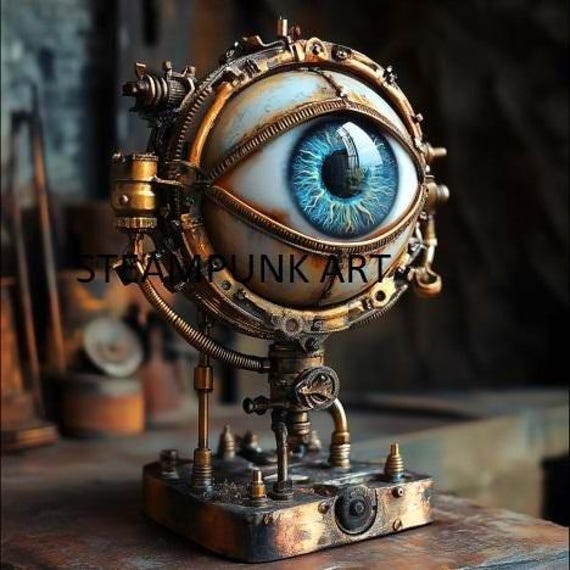
  • Steampunk – Victorian Elegance Meets Steam Technology

    • Brass gears, corsets, and mechanical fantasy.

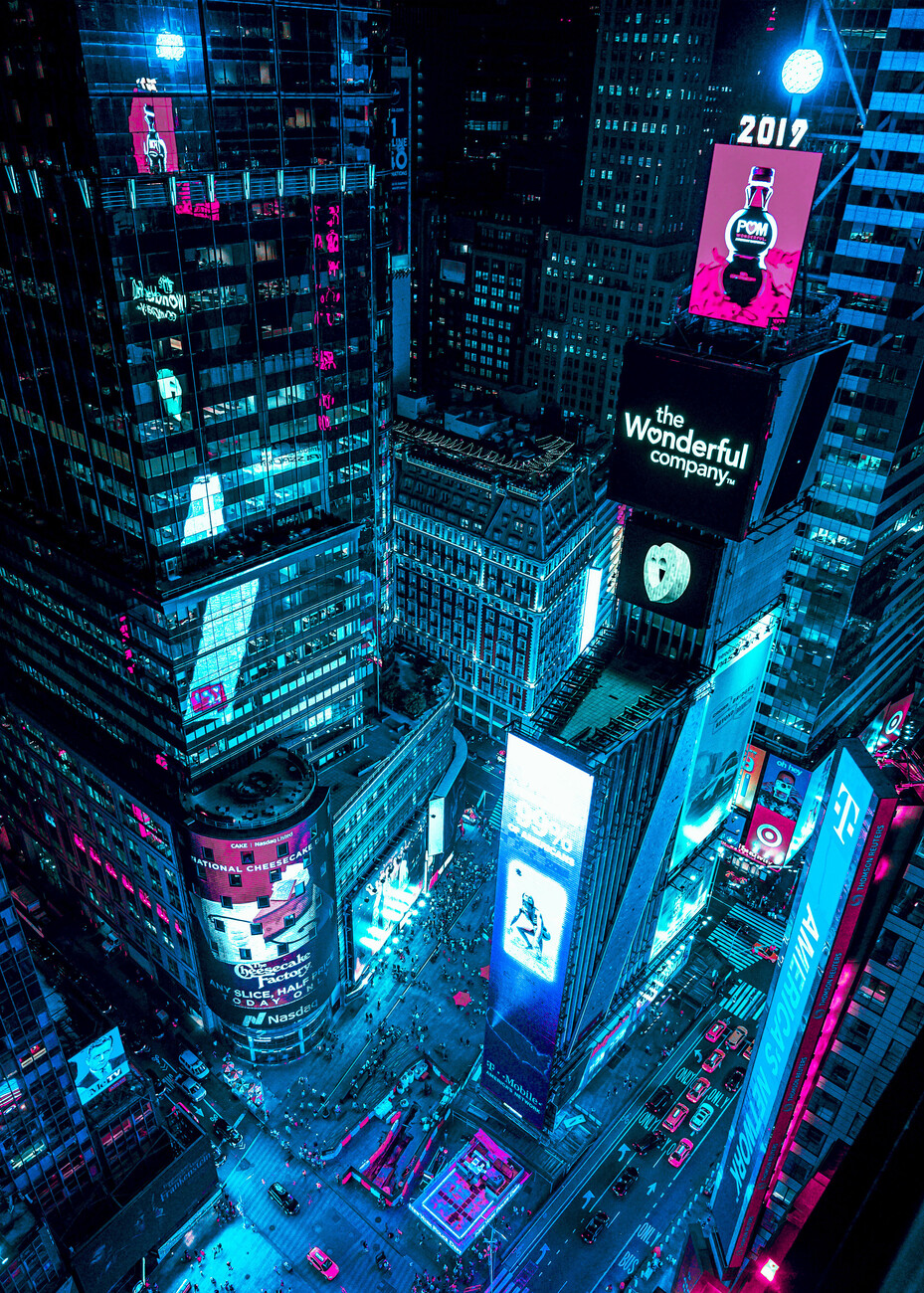
  • Cyberpunk – Neon Dystopian High-Tech Futures

    • Artificial intelligence, digital identity, urban density.

  • Atomic Age Modernism – 1950s–60s Space Optimism

    • Rockets, starbursts, curved architecture.

  • Dieselpunk – Industrial Power and Art Deco Fusion

    • 1920s–40s machinery-inspired futurism.


7. Cultural and Social Significance

  • Preserves Historical Imagination

    • Documents past expectations of progress.

    • Acts as a visual time capsule.

  • Reflects Hopes and Fears About Technology

    • Utopian dreams vs. dystopian anxieties.

    • Innovation as opportunity and risk.

  • Encourages Reflection on the Present

    • Questions missed predictions.

    • Inspires discussion about future direction.


8. The Future of Retro-Futurism

Image

Image

Image

Image

  • Integration with AI and Digital Creativity

    • AI recreates vintage visions with modern realism.

  • Sustainable Retro-Future Concepts

    • Eco-friendly materials meet nostalgic forms.

  • Expansion into Virtual and Immersive Worlds

    • Gaming and VR revive stylized future cities.

  • Continuous Reinvention Across Generations

    • Each era reinterprets the “future” uniquely.

    • Retro-futurism remains adaptable and timeless.


Key Takeaways

  • Retro-futurism bridges past imagination with future innovation.

  • It transforms nostalgia into a powerful creative strategy.

  • It empowers artists to design boldly.

  • It enables brands to communicate vision with emotional depth.

  • Designing the future through the past ensures creativity remains both timeless and forward-looking.

Tuesday, February 24, 2026

Retro-Futurism in the Modern Age: How Vintage Visions of the Future Are Influencing Design, Technology, and Digital Culture


Retro-Futurism in the Modern Age: How Vintage Visions of the Future Are Influencing Design, Technology, and Digital Culture


1. Definition and Core Concept

  • Retro-futurism reinterprets how the past imagined the future.

  • It blends nostalgia with innovation.

  • It reflects optimism, experimentation, and imagination.

  • It transforms yesterday’s dreams into today’s creative direction.


2. Historical Foundations of Retro-Futurism

  • 1920s–1930s industrial progress and Art Deco geometry.

  • 1940s–1950s atomic optimism and streamlined consumer products.

  • 1960s Space Race influence and interplanetary dreams.

  • 1980s neon cyber aesthetics and digital revolution imagery.

  • 1990s early internet and Y2K techno-optimism.


3. Key Visual Characteristics

  • Chrome surfaces and metallic finishes.

  • Bold geometric shapes and aerodynamic curves.

  • Neon pink, electric blue, and ultraviolet tones.

  • Futuristic typography inspired by vintage sci-fi posters.

  • Analog textures combined with digital polish.


4. Influence on Modern Interior Design

  • Mid-century modern furniture with space-age curves.

  • Atomic starburst décor elements.

  • Retro-futuristic lighting fixtures with sculptural forms.

  • Color palettes inspired by 1950s optimism.

  • Open, fluid layouts echoing utopian living concepts.


5. Influence on Architecture

  • Revival of Googie-style design elements.

  • Rounded façades and sweeping rooflines.

  • Glass, steel, and concrete combinations reflecting futurism.

  • Smart buildings styled with vintage-inspired silhouettes.

  • Sustainable architecture infused with mid-century optimism.


6. Influence on Graphic Design and Branding

  • Neon gradients and holographic effects in digital media.

  • Retro-inspired logos with futuristic flair.

  • Pixel art and early computer UI inspirations.

  • Sci-fi illustration aesthetics in packaging.

  • Minimalism fused with nostalgic visual storytelling.


7. Impact on Technology and Product Development

  • Smart gadgets designed with soft curves and bold colors.

  • Mechanical keyboards evoking typewriter nostalgia.

  • User interfaces incorporating retro-digital cues.

  • Concept vehicles inspired by rocket-age automobiles.

  • Wearable technology styled with vintage sci-fi elements.


8. Influence on Film and Television

  • Synth-heavy soundtracks reflecting 1980s culture.

  • Visual homages to VHS textures and early CGI.

  • Set designs mixing analog equipment with futuristic themes.

  • Narratives revisiting utopian and dystopian retro futures.

  • Reboots inspired by classic sci-fi aesthetics.


9. Influence on Gaming

  • Pixel art revival in indie game development.

  • Cyberpunk-style neon cityscapes.

  • Retro arcade mechanics with modern graphics engines.

  • Virtual reality worlds inspired by vintage sci-fi art.

  • Synthwave music enhancing immersive gameplay.


10. Retro-Futurism in Digital Culture

  • Vaporwave and glitch art aesthetics across social media.

  • Y2K-inspired website layouts and digital graphics.

  • Online communities celebrating nostalgic-future visuals.

  • AI-generated retro-future artwork.

  • Short-form content featuring chrome, grids, and neon sunsets.


11. Psychological Appeal

  • Comfort through familiarity during rapid technological change.

  • Romanticizing futures that once felt hopeful.

  • Escapism grounded in recognizable aesthetics.

  • Blending past optimism with present innovation.

  • Stimulating imagination about alternative futures.


12. Business and Marketing Applications

  • Limited-edition retro-inspired product lines.

  • Brand storytelling rooted in nostalgia and optimism.

  • Event themes inspired by space-age environments.

  • Merchandise featuring chrome, neon, and atomic patterns.

  • Advertising campaigns leveraging vintage-future aesthetics.


13. Cultural Significance

  • Acts as a bridge between generations.

  • Reflects society’s evolving relationship with technology.

  • Preserves historical imagination while encouraging innovation.

  • Demonstrates cyclical nature of design trends.

  • Transforms past predictions into modern creative inspiration.


14. The Future of Retro-Futurism

  • Integration with AI-generated design tools.

  • Immersive VR experiences inspired by mid-century sci-fi.

  • Eco-futurism blended with nostalgic aesthetics.

  • Hybrid styles merging multiple decades of imagined futures.

  • Continued reinvention as culture revisits its dreams of tomorrow.


15. Key Takeaways

  • Retro-futurism is more than a design trend.

  • It is a cultural dialogue between past imagination and present reality.

  • It influences architecture, branding, gaming, technology, and media.

  • Its strength lies in combining nostalgia with forward-looking creativity.

  • It will remain relevant as long as society continues to imagine the future.

Saturday, February 21, 2026

Space-Age Optimism and Dystopian Dreams: The Cultural Psychology Behind Retro-Futuristic Art and Storytelling


Space-Age Optimism and Dystopian Dreams: The Cultural Psychology Behind Retro-Futuristic Art and Storytelling


1. Understanding Retro-Futurism

  • Retro-futurism imagines the future through past expectations.

  • It blends nostalgia with speculative innovation.

  • It reflects how earlier eras envisioned technology, cities, and space exploration.

  • Foundational cultural examples include:

    • Metropolis

    • The Jetsons

    • Blade Runner


2. The Psychology of Space-Age Optimism

  • Post-war scientific breakthroughs created faith in progress.

  • The Space Race symbolized unlimited human potential.

  • Technology was perceived as a pathway to comfort and equality.

  • Milestones that fueled collective optimism:

    • NASA

    • Apollo 11

    • Tomorrowland

  • Core emotional drivers:

    • Hope for global unity

    • Trust in institutions

    • Belief in endless innovation


3. The Rise of Dystopian Anxiety

  • Cold War tensions reshaped futuristic imagination.

  • Nuclear threats challenged blind optimism.

  • Rapid digital expansion triggered fears of surveillance and loss of identity.

  • Influential dystopian works:

    • 1984

    • The Matrix

    • Akira

  • Psychological themes:

    • Control versus freedom

    • Humanity versus machinery

    • Progress versus destruction


4. Duality: Why Hope and Fear Coexist

  • The future represents possibility and uncertainty simultaneously.

  • Optimism drives exploration; fear demands caution.

  • Human cognition naturally balances aspiration with risk awareness.

  • Visual contrasts in retro-futuristic art:

    • Shining chrome towers vs. decaying megacities

    • Bright rockets vs. polluted skies

  • Contemporary cyberpunk influences:

    • Blade Runner 2049

    • Cyberpunk 2077


5. Technology as Psychological Projection

  • Robots symbolize assistance and existential threat.

  • Artificial intelligence embodies ambition and insecurity.

  • Flying vehicles represent liberation from earthly limitations.

  • AI-focused narratives include:

    • Ex Machina

    • Her

  • Deeper symbolic meanings:

    • Desire for mastery

    • Fear of obsolescence

    • Search for identity


6. Nostalgia as Emotional Stabilizer

  • Retro aesthetics create psychological comfort.

  • Past visions of the future feel simpler and more hopeful.

  • Nostalgia reduces anxiety about unpredictable change.

  • Recurring stylistic motifs:

    • Analog control panels

    • Rocket-inspired architecture

    • Neon grids and synth music

  • Modern reinterpretations:

    • Stranger Things

    • Black Mirror


7. Cultural Reflection and Social Commentary

  • Retro-futurism critiques blind technological dependence.

  • It questions corporate dominance and surveillance culture.

  • It explores environmental and ethical consequences of progress.

  • It functions as:

    • A warning narrative

    • A hopeful blueprint

    • A psychological coping mechanism


8. Why Retro-Futuristic Storytelling Endures

  • It bridges collective memory and imaginative speculation.

  • It transforms societal anxiety into creative expression.

  • It allows safe exploration of uncertain futures.

  • It reminds us that every imagined future eventually becomes history.


Conclusion

  • Space-age optimism and dystopian dreams are intertwined psychological forces.

  • Retro-futuristic art reveals humanity’s complex relationship with innovation.

  • By revisiting yesterday’s imagined tomorrows, we gain insight into today’s hopes and fears.

Friday, February 20, 2026

Chrome-Plated Utopias and Cyberpunk Dystopias: The Dual Aesthetic Power of Retro-Futurism in the 21st Century


Chrome-Plated Utopias and Cyberpunk Dystopias: The Dual Aesthetic Power of Retro-Futurism in the 21st Century

Retro-Futurism as a Cultural Lens

  • Retro-futurism reimagines historical visions of tomorrow through contemporary creativity.

  • It blends nostalgia with forward-thinking innovation.

  • It reflects shifting societal attitudes toward science and technology.

  • It thrives in architecture, digital media, fashion, branding, and entertainment.

  • It expresses both excitement and anxiety about rapid progress.


Chrome-Plated Utopias: The Optimistic Vision

  • Rooted in mid-century space-age enthusiasm and atomic-era confidence.

  • Celebrates automation, efficiency, and harmonious living with technology.

  • Features aerodynamic curves, polished metals, glass structures, and clean lines.

  • Uses bright whites, silvers, pastels, and reflective surfaces.

  • Imagines cities filled with monorails, flying vehicles, and smart homes.

  • Portrays technology as a tool for universal prosperity.

  • Symbolizes hope, order, and limitless human potential.


Cyberpunk Dystopias: The Critical Counterpoint

  • Emerges from late-20th-century concerns about corporate dominance and digital surveillance.

  • Depicts towering megacities layered with neon lights and holographic ads.

  • Contrasts technological sophistication with social inequality.

  • Uses deep shadows illuminated by electric blues, pinks, and purples.

  • Explores cybernetics, hacking culture, artificial intelligence, and identity shifts.

  • Presents technology as powerful but morally complex.

  • Symbolizes resistance, adaptation, and survival in hyper-digital environments.


Visual and Emotional Contrast

  • Utopian aesthetics emphasize clarity, balance, and streamlined perfection.

  • Dystopian aesthetics emphasize density, contrast, and layered chaos.

  • Utopias feel open and breathable.

  • Dystopias feel immersive and intense.

  • Both rely on bold visual storytelling to depict imagined futures.


Shared Foundations of the Dual Aesthetic

  • Both center on humanity’s evolving relationship with machines.

  • Both exaggerate technological imagery to explore possibility.

  • Both draw from speculative imagination rather than pure realism.

  • Both mirror societal responses to innovation and disruption.


Impact on Architecture and Urban Design

  • Chrome utopias inspire curved facades, open interiors, and futuristic minimalism.

  • Cyberpunk influences dense city planning, industrial materials, and neon signage.

  • Modern smart cities combine clean efficiency with digital infrastructure.

  • Urban environments reflect both technological promise and control concerns.


Influence on Fashion and Identity

  • Space-age fashion embraces metallic fabrics, geometric cuts, and sleek silhouettes.

  • Cyberpunk style incorporates techwear, layered textures, LED accents, and utility gear.

  • Personal style becomes an expression of futuristic philosophy.

  • Designers blend optimism and rebellion into wearable narratives.


Technology as Central Symbol

  • Artificial intelligence represents progress in utopian visions.

  • Artificial intelligence represents risk in dystopian narratives.

  • Robotics symbolize comfort and convenience in chrome futures.

  • Cybernetic enhancements symbolize adaptation and power in neon worlds.

  • Digital connectivity links both harmonious communities and fragmented societies.


Why Retro-Futurism Resonates Today

  • The 21st century experiences rapid technological acceleration.

  • Society simultaneously celebrates innovation and questions its consequences.

  • Nostalgia offers emotional stability in uncertain times.

  • Retro-futurism visualizes both aspiration and caution.

  • The dual aesthetic mirrors the complexity of modern life.


Conclusion: The Balance Between Shine and Shadow

  • Chrome-plated utopias represent humanity’s brightest ambitions.

  • Cyberpunk dystopias embody its deepest concerns.

  • Together they form a dynamic cultural dialogue.

  • Retro-futurism thrives on the tension between hope and warning.

  • The future of design lies in navigating this balance with awareness and creativity.

Thursday, February 19, 2026

Chrome Skylines and Cosmic Highways: Why Retro-Futurism Remains a Powerful Force in Architecture, Art, and Innovation


Chrome Skylines and Cosmic Highways: Why Retro-Futurism Remains a Powerful Force in Architecture, Art, and Innovation


1. Understanding Retro-Futurism

  • Retro-futurism blends past visions of the future with modern reality.

  • It reflects how earlier generations imagined tomorrow—through bold design, chrome finishes, flying cars, and cosmic cities.

  • The aesthetic draws heavily from movements like Art Deco, Mid-Century Modern, and the space-age optimism of the 1950s and 1960s.

  • It is not nostalgia alone—it is a reinterpretation of ambition, hope, and technological faith.


2. The Architectural Power of Retro-Futurism

  • Iconic structures like the Chrysler Building embody early 20th-century futuristic optimism through steel spires and geometric precision.

  • The Space Needle symbolizes space-age ambition and aerodynamic elegance.

  • Googie architecture, seen in mid-century diners and motels, projected a “Jet Age” future filled with speed and movement.

  • Modern architects revisit retro-futuristic curves, metallic materials, and neon accents to evoke bold imagination.

  • Sustainable architecture now merges vintage futurism with green technology—proving the future can honor the past.


3. Retro-Futurism in Art and Visual Culture

  • Films like Blade Runner showcase dystopian chrome skylines infused with neon and rain-soaked futurism.

  • Metropolis introduced towering industrial futures that still influence visual storytelling today.

  • Artists blend analog textures with digital themes—robots painted in oil, cosmic highways rendered in vaporwave palettes.

  • Album covers, fashion editorials, and digital illustrations frequently echo space-age motifs and synthetic nostalgia.

  • The aesthetic fuels entire subcultures such as synthwave and vaporwave, where past visions of tomorrow become art forms.


4. Technology Inspired by Yesterday’s Tomorrow

  • Early science fiction literature inspired real-world innovation.

  • Jules Verne imagined submarines and lunar travel long before technological feasibility.

  • Isaac Asimov conceptualized robotics ethics that influence AI discourse today.

  • Designers at companies like Apple Inc. use sleek minimalism reminiscent of mid-century optimism.

  • Electric vehicles, smart cities, and private space travel echo the optimistic “World of Tomorrow” exhibitions.


5. Space Age Influence on Innovation

  • The legacy of the NASA continues to shape public imagination.

  • The 1964–65 New York World's Fair presented a corporate vision of cosmic highways and automated living.

  • Private companies like SpaceX transform retro dreams of interplanetary travel into modern engineering realities.

  • Rocket-inspired silhouettes and metallic finishes remain symbolic of ambition and progress.


6. Psychological Appeal: Why It Endures

  • Retro-futurism offers “optimistic nostalgia”—a belief that the future can still be bold and beautiful.

  • It reconnects society with eras of collective ambition and confidence.

  • It provides visual escapism during uncertain technological transitions.

  • It balances analog warmth with digital precision.

  • It reframes progress as imaginative rather than purely functional.


7. Influence on Contemporary Urban Design

  • Smart cities incorporate sleek transport systems reminiscent of vintage “city of tomorrow” sketches.

  • High-speed rail projects evoke streamlined Art Deco locomotives.

  • Urban planners revisit pedestrian skyways and futuristic zoning once imagined in early science fiction.

  • Public spaces increasingly integrate neon lighting, reflective surfaces, and kinetic installations.


8. Retro-Futurism in Popular Media and Culture

  • Video games like BioShock merge Art Deco grandeur with speculative futures.

  • The The Jetsons remains an enduring symbol of flying cars and sky cities.

  • Fashion designers frequently revive metallic fabrics, geometric silhouettes, and cosmic themes.

  • Streaming-era sci-fi reinterprets mid-century futurism with darker, cybernetic undertones.


9. The Sustainability Connection

  • Retro-futurism reminds innovators that imagination precedes engineering.

  • Earlier futuristic designs emphasized efficiency, compact living, and transportation innovation.

  • Today’s green architecture often mirrors those streamlined, efficient visions.

  • The aesthetic encourages long-term thinking instead of short-term trend cycles.


10. Why Retro-Futurism Still Matters

  • It preserves the emotional optimism of past generations.

  • It inspires designers, architects, and engineers to dream beyond current constraints.

  • It bridges heritage and innovation.

  • It reframes technology as art.

  • It proves that the future has always been a creative act.


Final Reflection

  • Chrome skylines and cosmic highways are more than stylistic motifs—they are cultural symbols of ambition.

  • Retro-futurism thrives because it merges memory with possibility.

  • As architecture rises higher and innovation accelerates faster, society continues to look backward—not in retreat—but in inspiration.

  • The future, as retro-futurism shows us, is not merely built—it is imagined first.

Saturday, February 14, 2026

Utopian Machines and Dystopian Megacities: The Contradictions at the Heart of Retro-Futuristic Storytelling


Utopian Machines and Dystopian Megacities: The Contradictions at the Heart of Retro-Futuristic Storytelling

1. Defining the Retro-Futuristic Paradox

  • Retro-futurism merges past aesthetics with future visions.

  • It presents technological brilliance alongside urban deterioration.

  • The genre thrives on the tension between optimism and warning.

  • Progress is framed as both a miracle and a mistake.


2. Utopian Machines as Icons of Aspiration

  • Machines symbolize mastery over nature and destiny.

  • Advanced robotics promise comfort and efficiency.

  • Flying vehicles suggest freedom beyond earthly limits.

  • Space colonies represent limitless expansion and curiosity.

  • Automation implies a post-scarcity society.

  • Design traits often include:

    • Polished metallic surfaces

    • Aerodynamic curves

    • Bright, hopeful color schemes

    • Harmonious geometric balance


3. Megacities as Engines of Alienation

  • Dystopian cities reveal the cost of unchecked progress.

  • Towering structures create overwhelming vertical density.

  • Neon lights conceal poverty and inequality.

  • Surveillance systems replace personal privacy.

  • Industrial expansion causes environmental decay.

  • Urban imagery emphasizes:

    • Smog-covered skylines

    • Endless artificial illumination

    • Cramped living spaces

    • Noise and chaos


4. The Psychological Divide

  • Hope and fear operate simultaneously.

  • Technology promises liberation but invites dependency.

  • Innovation fuels excitement yet triggers existential anxiety.

  • Connectivity increases access but reduces intimacy.

  • The genre reflects society’s uneasy relationship with advancement.


5. Nostalgia as a Stabilizing Force

  • The past offers emotional grounding.

  • Retro design elements soften futuristic extremes.

  • Familiar aesthetics make dystopian themes visually attractive.

  • Nostalgia transforms fear into fascination.

  • The imagined future feels both strange and comfortingly familiar.


6. Power Structures Within the Megacity

  • Technological growth magnifies inequality.

  • Corporations dominate skylines and governance.

  • Elites control access to advanced machines.

  • Marginalized populations occupy deteriorating districts.

  • Infrastructure mirrors economic imbalance.

  • The genre critiques:

    • Corporate monopolies

    • Consumer-driven identity

    • Militarized innovation

    • Ecological neglect


7. Visual Symbolism and Contrast

  • Light versus shadow.

  • Sterile laboratories versus polluted streets.

  • Gleaming androids versus crumbling neighborhoods.

  • Propaganda posters versus harsh lived reality.

  • The visual clash intensifies narrative depth.


8. Cultural Reflection and Social Commentary

  • Retro-futuristic storytelling mirrors real-world uncertainty.

  • Rapid technological change creates societal imbalance.

  • Automation reshapes labor and identity.

  • Urbanization alters community structures.

  • The genre externalizes modern fears through stylized futures.


9. Why the Contradiction Persists

  • Because progress is never purely positive or negative.

  • Innovation solves problems while creating new ones.

  • Growth increases wealth yet widens disparity.

  • Convenience expands while privacy contracts.

  • The coexistence of utopia and dystopia reflects reality.


10. Concluding Insight

  • Utopian machines and dystopian megacities are inseparable forces.

  • One embodies aspiration and imagination.

  • The other represents consequence and caution.

  • Together they define retro-futuristic storytelling —
    a genre where the future shines brightly while casting long shadows.

Sunday, February 8, 2026

Atomic Age Dreams and Neon Skies: A Deep Dive into the Retro-Futuristic Aesthetic and Its Cultural Impact


Atomic Age Dreams and Neon Skies: A Deep Dive into the Retro-Futuristic Aesthetic and Its Cultural Impact


What Is Retro-Futurism?

  • A creative movement blending past visions of the future with modern interpretation

  • Rooted in optimism, fear, and imagination of the 1940s–1970s

  • Not about accuracy, but about how people once felt the future would look


The Atomic Age Influence

  • Post–World War II optimism fueled belief in limitless technological progress

  • Nuclear power symbolism represented both utopia and existential fear

  • Science as salvation dominated advertising, architecture, and education


Neon Skies and Space Age Visuals

  • Bright neon colors symbolizing energy, electricity, and progress

  • Smooth curves and chrome surfaces replacing rigid industrial design

  • Space motifs such as rockets, planets, domes, and starbursts

  • Futuristic cityscapes featuring floating highways and glass towers


Design and Architecture

  • Googie architecture with dramatic angles and atomic shapes

  • Mid-century modern interiors emphasizing minimalism and functionality

  • Futuristic appliances marketed as time-saving tools for a better life

  • Public spaces designed to feel optimistic, fast, and forward-moving


Fashion and Lifestyle

  • Synthetic fabrics like vinyl and plastic signaling innovation

  • Space-inspired silhouettes including helmets, boots, and geometric cuts

  • Lifestyle advertising portraying effortless living through technology

  • The future as glamorous, clean, and emotionally detached


Retro-Futurism in Film and Media

  • Classic sci-fi films presenting idealized or cautionary futures

  • Animated optimism in cartoons and educational films

  • Television imagery normalizing robots, flying cars, and smart homes

  • Narratives balancing wonder and anxiety about progress


Cold War Anxiety Beneath the Optimism

  • Fear of nuclear annihilation lurking beneath bright visuals

  • Duality of hope vs destruction shaping artistic expression

  • Utopian futures masking deep societal uncertainty

  • Technology as both hero and threat


The Modern Revival of Retro-Futurism

  • Digital artists reimagining vintage futures with modern tools

  • Branding and UI design borrowing neon palettes and atomic icons

  • Video games and films blending nostalgia with dystopian themes

  • A reaction to uncertain modern futures


Why Retro-Futurism Still Resonates

  • Nostalgia for optimism in contrast to today’s complex realities

  • Visual clarity in a world of digital overload

  • Romanticized progress without modern cynicism

  • A reminder of human imagination at its boldest


Cultural Impact and Legacy

  • Enduring influence on art, fashion, architecture, and media

  • A time capsule of societal hopes and fears

  • A lens to study history through imagined futures

  • Proof that the future is always emotional, not just technological

Saturday, February 7, 2026

Retro-Futurism and the Promise of Progress: How Yesterday’s Dreams of Tomorrow Still Shape Modern Culture


Retro-Futurism and the Promise of Progress: How Yesterday’s Dreams of Tomorrow Still Shape Modern Culture

  • Defining Retro-Futurism

    • Retro-futurism is the representation of the future as imagined in the past.

    • It blends historical style with futuristic ideas.

    • Rooted mainly in the mid-20th century.

    • Focuses on hope, imagination, and belief in progress.

  • The Past’s Vision of Progress

    • Progress was seen as positive and inevitable.

    • Technology symbolized comfort, freedom, and advancement.

    • Scientific innovation promised a better quality of life.

    • The future was imagined as organized, efficient, and harmonious.

  • Why Earlier Futures Looked Optimistic

    • Post-war growth increased confidence in science.

    • Space exploration inspired collective excitement.

    • Media reinforced narratives of technological salvation.

    • Machines were depicted as friendly and supportive.

  • Key Aesthetic Features of Retro-Futurism

    • Smooth curves and aerodynamic forms

    • Chrome, steel, and polished surfaces

    • Bright colors and neon accents

    • Flying vehicles and automated homes

    • Design emphasized beauty and imagination.

  • Cultural Values Reflected in Retro-Futurism

    • Strong faith in human ingenuity.

    • Belief that technology could solve social problems.

    • Desire for order, stability, and control.

    • Optimism about humanity’s future.

  • Influence on Modern Design

    • Inspires:

      • Graphic and industrial design

      • Architecture and interiors

      • Fashion and digital aesthetics

    • Reintroduces warmth and personality into technology.

    • Balances nostalgia with innovation.

  • Retro-Futurism in Popular Media

    • Common in films, games, and visual storytelling.

    • Used to explore alternate timelines and futures.

    • Often contrasts optimistic visuals with complex realities.

    • Encourages reflection on unrealized dreams.

  • The Emotional Impact of Lost Futures

    • Represents futures that never arrived.

    • Creates nostalgia for imagined possibilities.

    • Reflects modern uncertainty about progress.

    • Offers comfort through familiar imagery.

  • Changing Meanings of Progress

    • Past progress was visible and mechanical.

    • Modern progress is digital and abstract.

    • Retro-futurism reminds us of human-centered innovation.

  • Why Retro-Futurism Still Matters Today

    • It challenges purely technical views of progress.

    • Encourages optimism without ignoring reality.

    • Inspires creativity across industries.

    • Keeps the idea of a hopeful future alive.

  • Retro-Futurism as a Cultural Lens

    • Reveals past hopes and fears.

    • Shows how expectations of technology change.

    • Helps society evaluate its relationship with progress.

  • Conclusion

    • Retro-futurism is not about prediction.

    • It is about remembering hope.

    • Yesterday’s dreams still shape how we imagine tomorrow.

    • The promise of progress continues to influence modern culture.

DIY Mosaic Art for Beginners: Step-by-Step Ideas, Materials, and Creative Inspiration to Start Your Artistic Journey

  DIY Mosaic Art for Beginners: Step-by-Step Ideas, Materials, and Creative Inspiration to Start Your Artistic Journey Understanding DIY Mos...