
The Retro-Futuristic Revival: How Nostalgic Futures Are Shaping Modern Creative Industries

Introduction: Understanding the Retro-Futuristic Revival
Retro-futurism merges historical visions of tomorrow with modern creative expression.
It reflects how earlier generations imagined advanced technology, cosmic travel, and utopian societies.
This revival breathes new life into vintage futuristic aesthetics using contemporary tools.
Creative industries embrace this style to evoke emotion, wonder, and cultural memory.
Retro-futurism bridges nostalgia and innovation into a single visionary narrative.
Historical and Cultural Foundations
Inspired by early science fiction literature, pulp magazines, and golden-age comics.
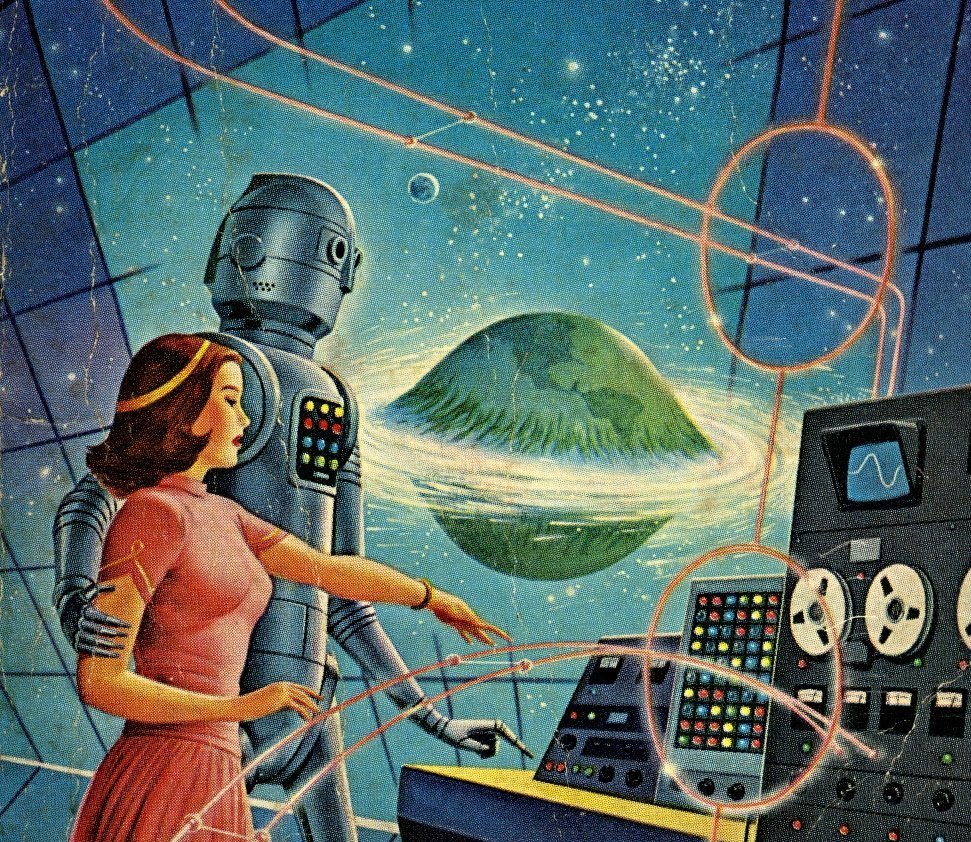
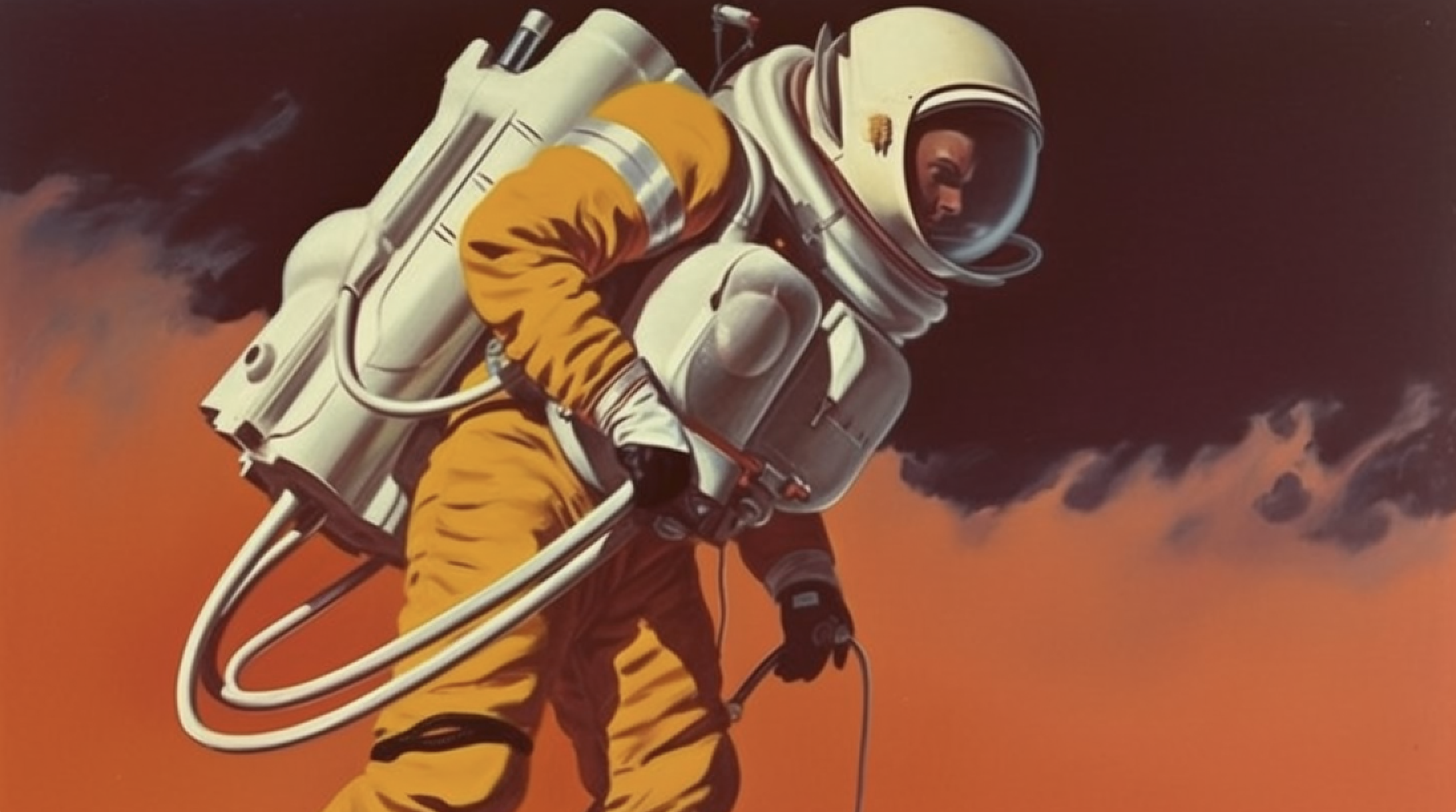
Driven by atomic-age optimism and space-race ambition.
Influenced by industrial design movements promoting progress and efficiency.
Popularized through mid-century films, advertisements, and product innovation.
Preserved through iconic architecture, typography, and visual storytelling traditions.
Key Visual and Conceptual Elements
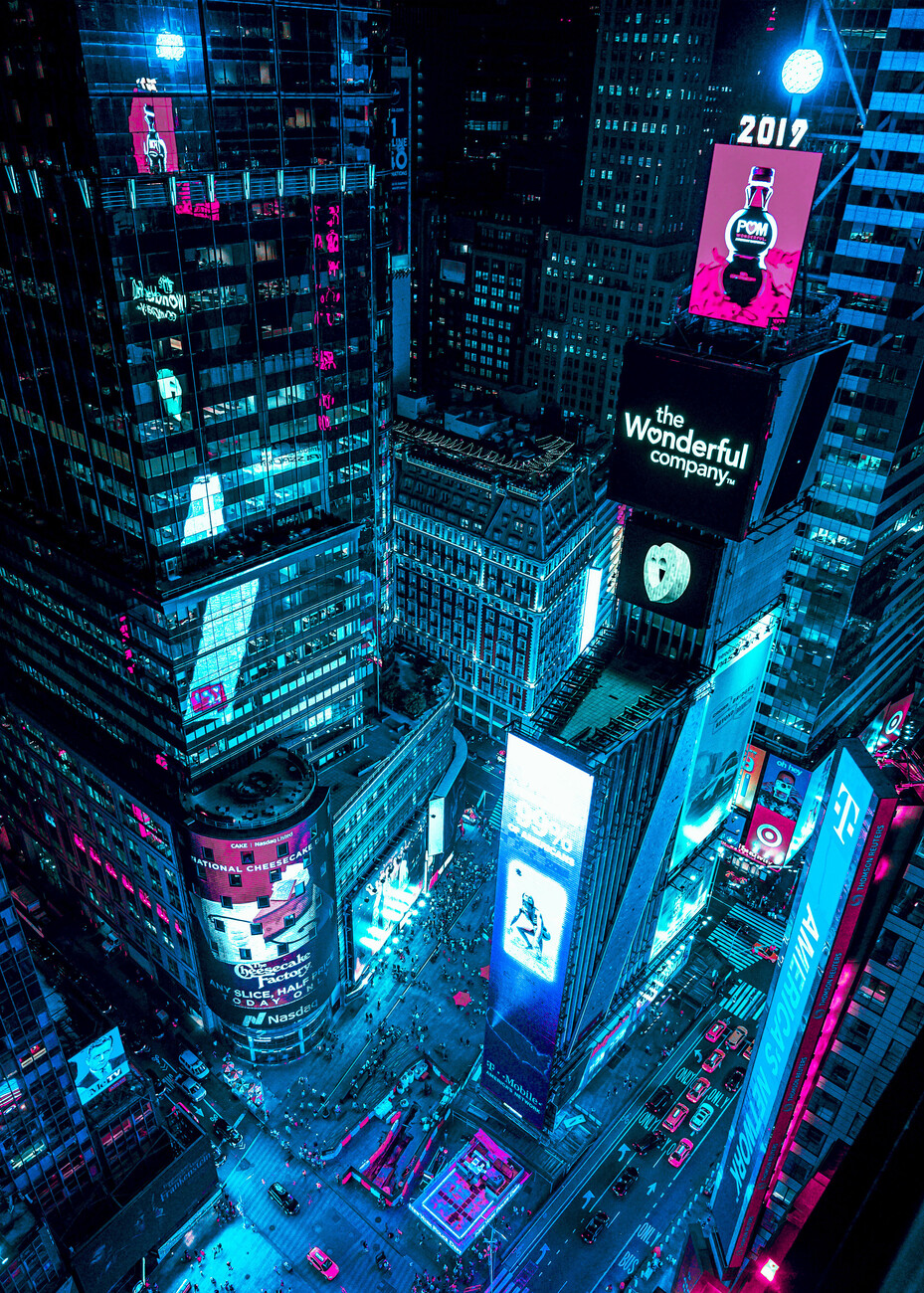
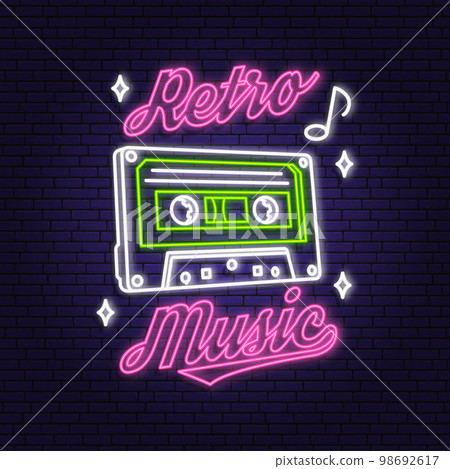
Neon illumination, chrome finishes, and cosmic color palettes.
Aerodynamic curves symbolizing speed, progress, and motion.
Geometric symmetry reflecting technological harmony and balance.
Robotic imagery and cybernetic symbolism.
Themes of hope, exploration, and boundless possibility.
Influence on Graphic Design and Visual Communication
Futuristic typography combined with nostalgic layouts.
Glowing gradients and digital textures enhancing visual impact.
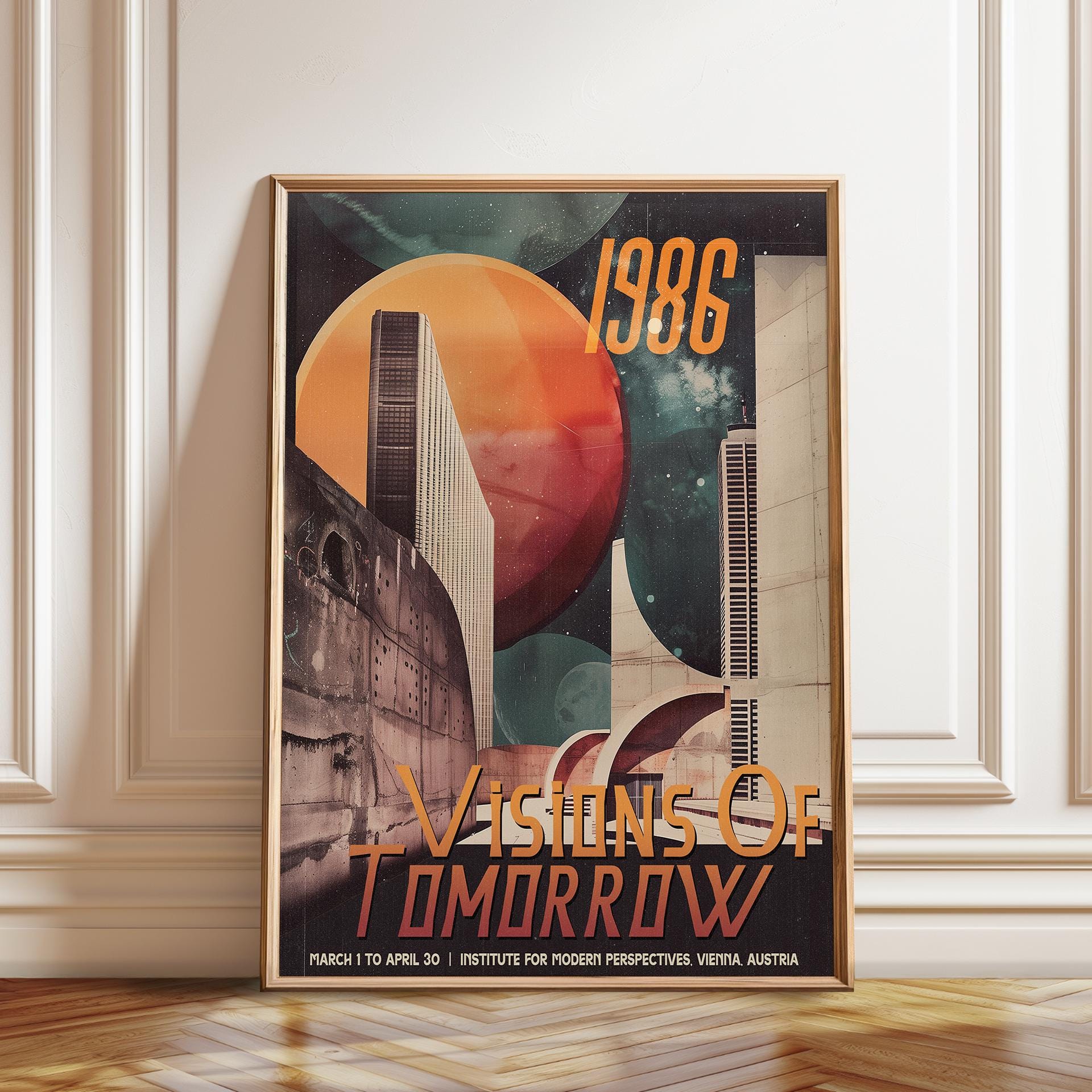
Poster designs inspired by vintage sci-fi illustration styles.
Motion graphics utilizing synthwave aesthetics.
Brand visuals crafted around futuristic nostalgia.
Transformation of Digital Art and Creative Technology
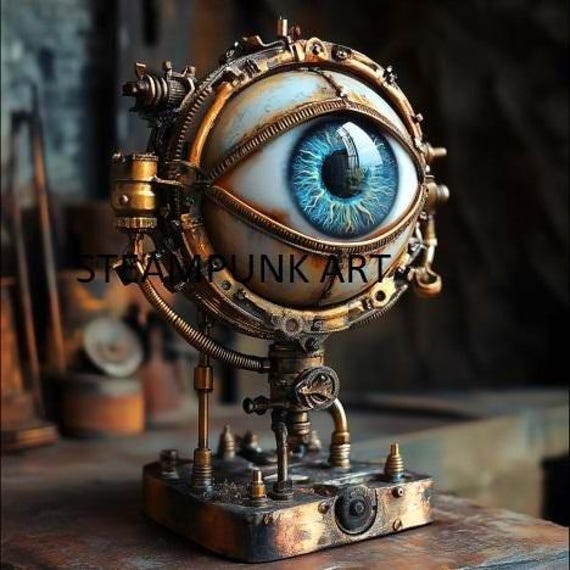
AI-generated visuals reinterpreting classic sci-fi motifs.
3D modeling creating immersive futuristic dreamscapes.
Virtual worlds inspired by imagined cosmic civilizations.
NFT art driven by neon cyber aesthetics.
Interactive installations blending art, technology, and memory.
Impact on Film, Television, and Narrative Media
Cinematic worlds shaped by space-age design philosophy.
Retro-inspired costume design blending old silhouettes with advanced materials.
Set architecture reflecting utopian city concepts.
Narrative storytelling focused on hope, dystopia, and technological evolution.
Electronic and orchestral fusion soundtracks enhancing emotional depth.
Role in Gaming and Immersive Experiences
Futuristic game environments inspired by vintage sci-fi landscapes.
Interactive storytelling using glowing urban skylines and cosmic backdrops.
Synth-based audio design intensifying player immersion.
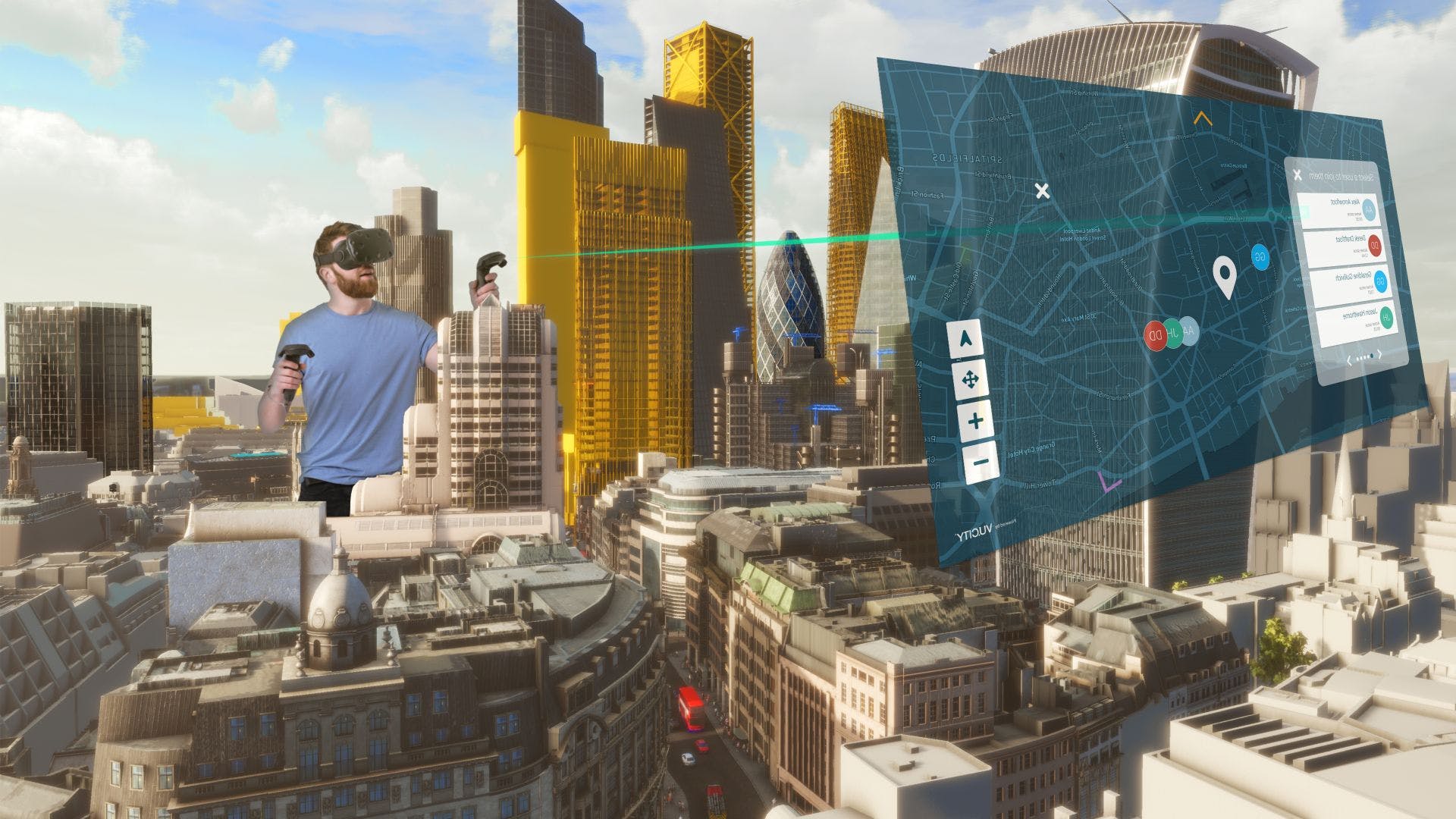
Virtual reality simulations exploring nostalgic future societies.
Augmented reality experiences transforming real-world spaces into cosmic playgrounds.
Influence on Fashion and Wearable Innovation
Metallic fabrics, holographic textiles, and iridescent finishes.
Geometric tailoring inspired by space-age uniforms.
Cyberpunk and synthwave streetwear aesthetics.
Smart textiles integrating light, motion, and technology.
Sustainable fashion inspired by futuristic material science.
Architectural and Urban Design Evolution
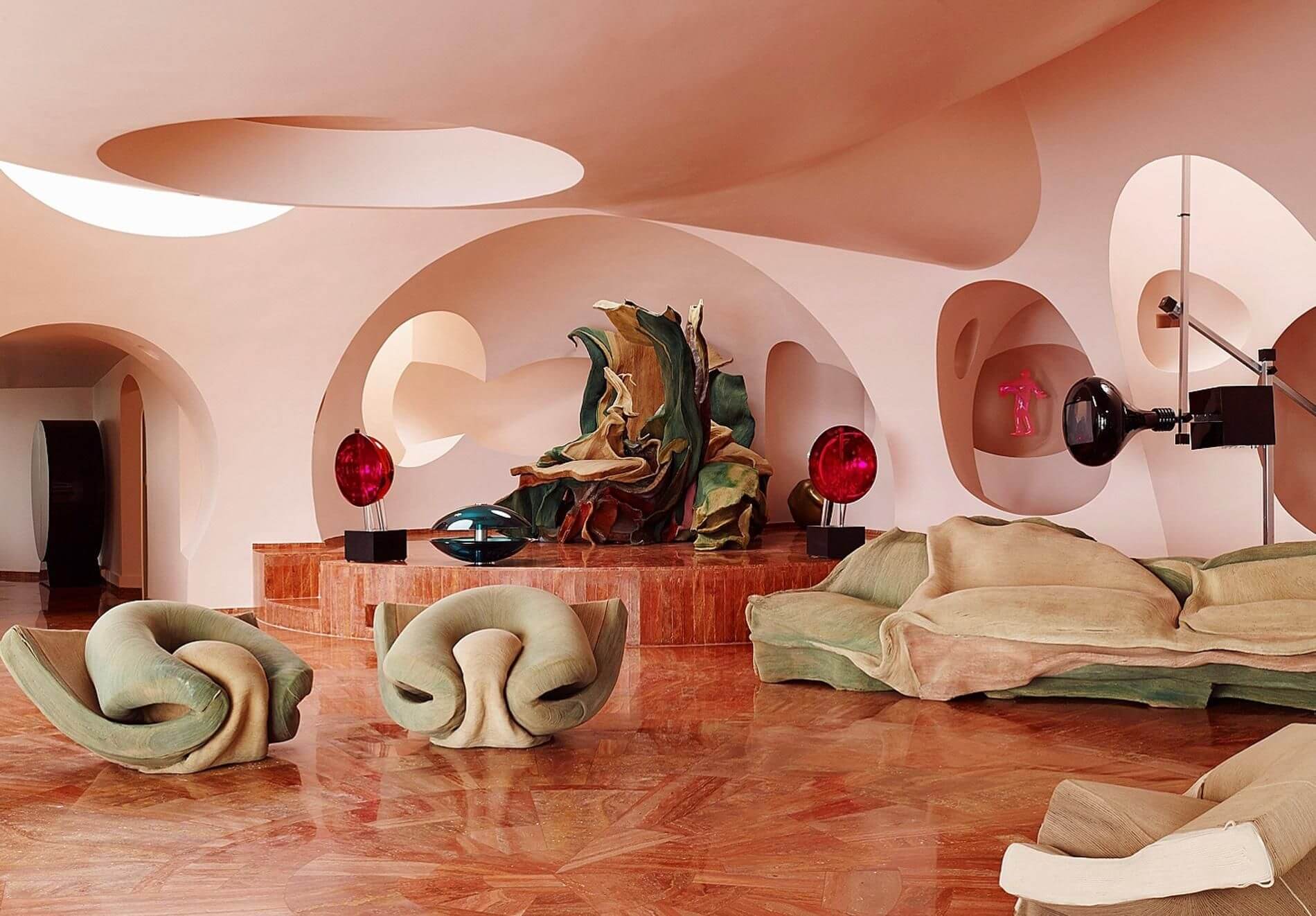
Curved structures reflecting futuristic transportation aesthetics.
Smart interiors infused with ambient lighting and digital integration.
Eco-conscious architecture inspired by utopian city models.
Public spaces enhanced through glowing artistic installations.
Urban environments designed around futuristic sustainability concepts.
Branding, Advertising, and Commercial Design
Retro-futuristic branding creating emotional resonance and innovation perception.
Packaging featuring metallic surfaces and vibrant contrasts.
Digital marketing storytelling inspired by cosmic narratives.
Technology branding reflecting visionary ambition.
Luxury branding blending vintage glamour with futuristic boldness.
Psychological and Cultural Significance
Nostalgic comfort combined with futuristic excitement.
Emotional escape into hopeful imagined worlds.
Reconnection with childhood wonder and curiosity.
Collective fascination with space exploration and discovery.
Creative empowerment through visionary storytelling.
Future Trends and Industry Outlook
Expansion of AI-driven retro-futuristic creativity.
Growth of immersive metaverse environments.
Advanced holographic storytelling experiences.
Fusion of sustainability and futuristic design.
Emergence of global digital creative communities.
Conclusion
The retro-futuristic revival unites imagination, memory, and innovation.
It continues to influence art, design, fashion, architecture, and media industries.
By blending past dreams with future technology, creators build timeless narratives.
Retro-futurism ensures that yesterday’s visions of tomorrow remain powerful forces shaping modern creativity.








.png)


